Content has always been king amongst marketers - or at least since 1996 when the term was first used in an article by Bill Gates.
He stated that content was where the real money was, and 26 years later, content is still firmly in the 'king' position on the throne.
But, what does ‘content is king’ mean?
Well, without content, there'd be nothing to connect you to your customers. There'd be no lifeline attracting interested parties to your aftermarket shop’s website.
Content or content marketing focuses on the client, and it always has. It highlights how businesses will help their audience and nurtures relationships with prospects.
Today, we're going to show you exactly why content marketing is successful and why it really is the 'king.' We'll also let you in on a few tips about using content to your advantage as an aftermarket automotive restyling, restoration, race, and performance shop.
Why is content king?
Many people will argue what the most crucial aspect of your website and online presence is, but without content, you'd be a bit lost online.
Content helps you connect with your audience, builds awareness of your company and brand, and it encourages people to check out your products and services.
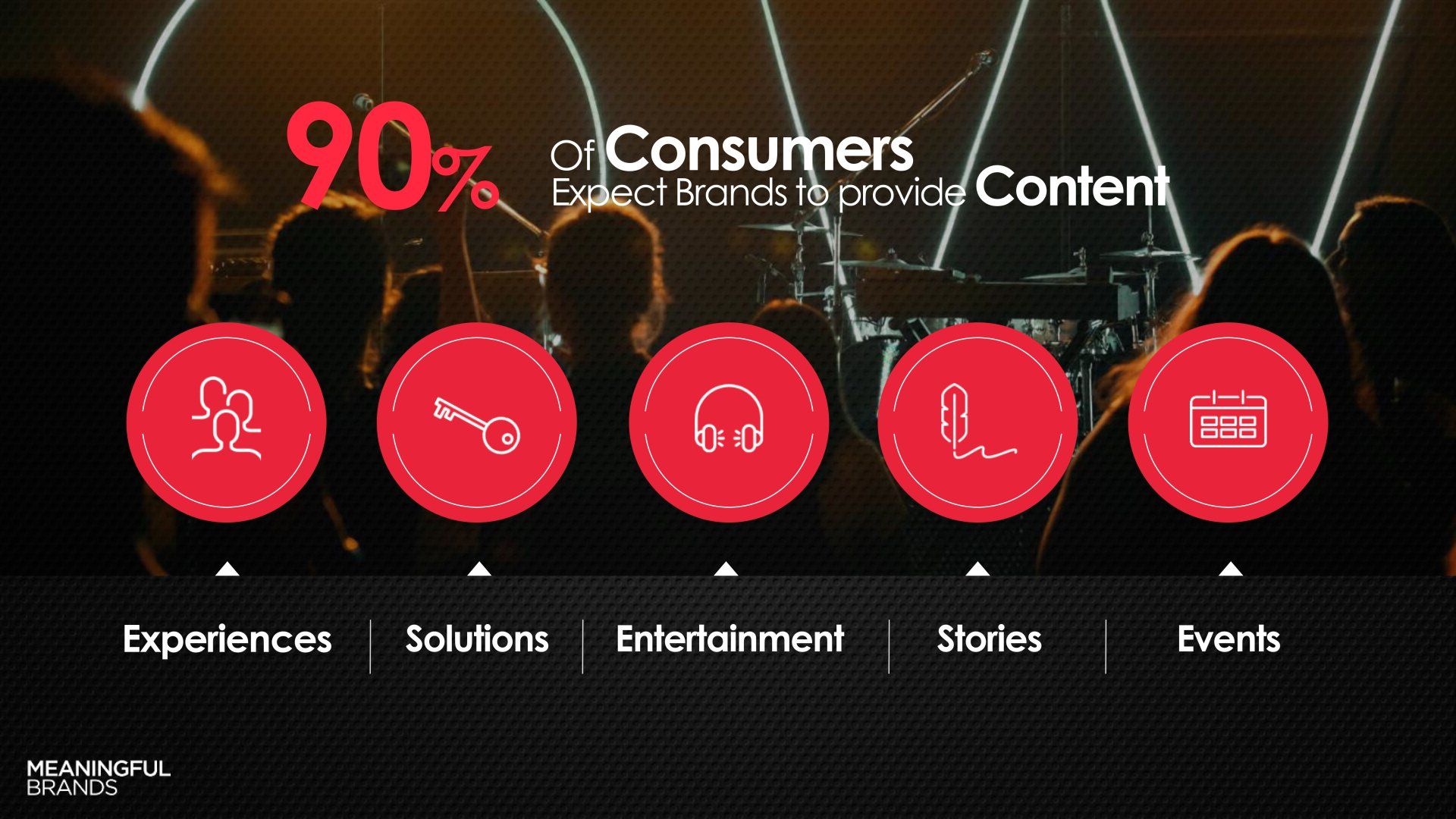
90% of consumers who engage with your business expect brands to provide quality content to their audience that answers a question or addresses an objection - don’t let them down! If done correctly great content will help with customer acquisition as well as retention.
Here are four reasons why content is truly the king of the marketing world.
1. Content builds relationships with prospects and customers
Great content builds strong relationships with your prospects and customers; the stronger the relationship, the more likely your audience will want to work with you and come back again and again. People like to work with those they trust. So, if they already have a relationship with your brand and associate you with positive emotions, they will convert.
High-quality, valuable, and informative content will also improve your brand's reputation and enhance your online credibility. This will also help people see you as an expert in your field.
For example, if you post image and video content and put a face with a name, you'll easily connect with your audience by showing them there's real people behind your brand.
One of our clients that does an exceptional job at this is Level 7 Motorsports from Marion, IL. Owner Jesse Vaughn records and consistently posts videos on YouTube and Instagram showing what’s happening in their performance build shop. He shows how they perform specific tasks, discusses new product updates, reviews the projects they’re working on in the shop as well as what’s happening with their very popular C10 autocross race truck.
Jesse shoots the videos free hand with a GoPro and includes members of his staff in the videos from time to time helping to put a face to the name making a personal connection. This has resulted in Level 7 building trust, Jesse being seen as an expert in his field and building a strong following; best of all loyal repeat customers.
Improving your reputation and keeping your previous customers happy with a continuous supply of quality helpful content will also improve the chances of repeat customers.
What kind of content improves your customer relationships?
There is a lot of content you can create that will improve your relationship, but some of the best types of content include:
- Step-by-step
- How-to guides
- Shop tours and project updates
- Up to date project photo galleries
- Visual content like informative videos
- Personal content, including behind-the-scenes and progress pictures
- Entertaining blogs with educational value
- Content that is authentically you
- Content that includes your clients and staff
Pro Tip: Always post relevant content to your website and social media. Content that doesn't have anything to do with your company could turn off your business prospects instead of helping you get them on board. Adding a bit of personal content like a vacation trip to decompress or team none work event now and then will help people know you at a more personal level but keep it to a minimum.
2. Content improves brand recognition
By creating good content, you can easily establish your business as a trusted and reliable brand online.
The more you post online and engage with your audience, the more people will recognize you, your company and your team. Word will spread about the badass auto restoration, race, restyling, and performance products and services you offer.
But how do you use content to boost your brand recognition?
By being consistent!
If you post regularly and consistently, you will start spreading more and more awareness about your brand. If all the content you're uploading is high-quality, educational, and entertaining, you'll quickly improve your brand recognition.
NOTE: Keep in mind that when we say high-quality we don’t mean that you have to go out and hire a production company and edit each piece. For social media, off the cuff informative content shot with a good quality camera or smartphone will work and is what people are used to seeing on social media.
Pro Tip: Having an easy-to-read and recognizable logo also helps improve brand recognition as well as company colors. So be sure to use them consistently across all your content.
3. Content improves your SEO
Search engine optimization (SEO) is necessary for getting your company's website high on the search results page. By uploading new content regularly to your website and other social media platform and providing your audience with high-quality, relevant content, you'll easily enhance your SEO!
Without good content, your website has no opportunity to rank high on the search results and if you don't rank for relevant keywords, your prospects won't be able to find you online.
Improve your SEO by posting valuable, keyword-rich content will help enhance your local and search organic traffic. The more you improve your SEO, the more you'll attract interested leads.
Don’t forget that YouTube is the second most visited site on the planet and all those videos that you’re posting so social media can be uploaded to YouTube. Along with a great keywords rich title and description you up your SEO game tremendously as well as your chances of showing up in search. YouTube is a very important search engine no one if talking about.
Pro Tip:
If you have a Google Business Profile, don't forget to upload content there. It's the perfect place to improve your SEO! If you don't have a Google Business Profile, you're missing out on a great, free marketing tool.
4. Content influences conversions
When you have a lot of premium content on your website you'll easily attract prospects. Plus, with a good CTA (Call To Action), you'll be able to convert those leads into paying clients. 96% of marketers say that content marketing has been effective for their brand and the more effective it is the more leads you generate. Great copy and clarity convert!
You can improve conversions in your content by:
- Customer testimonials (Video testimonials are the best)
- Highlighting what you're an expert in
- Using irresistible CTAs
- Posting about the projects you're working on (What’s happening in the shop)
- Uploading photos and videos of your work
- Being very clear on all your content with clear titles and descriptive copy
Pro Tip: If you engage with comments and shares on your content, you'll be able to improve conversions too.
How should aftermarket restyling, restoration, race, and performance shops use content to boost business?
Now that you know why content is king, it's time to figure out how to use content to boost the business of your automotive aftermarket shop.
By following these seven tips on how to write and create meaningful content for your business, you'll be able to spark sales and boost your business in no time.
1. Develop a strategy and stick to a plan
By developing and utilizing a strategy, you'll be able to create and organize the correct content to ensure everything gets posted when and where you'd like.
Having a plan and content calendar in place will keep you on track and consistent. As we've already discussed, consistency is key to improving conversions when it comes to content. Without consistency, people that follow you on social media might lose interest and stop paying attention to your posts. Social media platforms may not show your content as often either, making it difficult for your posts to be seen by your audience.
A plan will also help you write, develop and create structured pieces of content instead of letting your mind wander. You'll also be able to distribute the kinds of content and post evenly. For example, posting too many written pieces might get boring for your audience, so be sure to schedule a video or two now and then or even a podcast!
Pro Tip:
Don't forget to set goals for your strategy. Without goals, you won't have anything to aim for, and your plan might fall apart! For example, how many clients do you want to reach with your content? How many views do you want your videos or blogs to get each month, was it what you planned for and if not how do you increase traffic to your content?
2. Come up with quality headlines or video intros
A good headline is key to getting your users to interact with your article, video, or podcast episode. No matter what type of content you're posting, you should ensure that the title is impossible to resist.
By writing an irresistible headline, or developing a cool video intro, your followers will immediately click on your content and learn more about what you have to say, what’s happening in your shop, or how you can help them with their project.
Your headline or intro does the heavy lifting for your content; without it, nobody will read your article, watch your video or listen to your podcast. So if you want some sweet interaction from your audience, your headline has got to be good.
Pro Tip: People want to consume content that teaches them something, excites them or makes them smile so be sure to demonstrate this in your headline or intro.
3. Write in your brand’s voice
Writing in your brand's voice is key to improving your brand recognition and making it easier for clients and prospects to engage with your content.
They're your target audience, so speaking in your brand voice and using words and phrases they'd be familiar with will make them feel more comfortable about working with you.
If you're worried about not writing in your brand's voice, create a document detailing everything about your brand voice that makes it unique.
This can include:
- Values and mission statement
- How your audience speaks
- Customer persona
- The relationship you have with your audience - casual or formal
- Words and phrases you do use and ones you avoid
Pro Tip:
Avoid using industry jargon, industry acronyms that only you understand or words your audience typically wouldn't understand. You're there to help them, not confuse them, so stick to words they'd know. We like to use the “KISS” method.
Keep
It
Simple
Stupid.
4. Always provide value to your audience
Nobody wants to read an article or watch a video that won't benefit them in some way - that's why they clicked on it, after all!
When writing or developing copy or video content, make sure you're providing the people consuming your content with value. They want to be able to walk away from what they just read, satisfied that they've learned something from it or in some cases just had a good laugh. Otherwise, it'd be a waste of time, and if they feel like they just wasted twenty minutes or so of their time consuming your content - they won't be back.
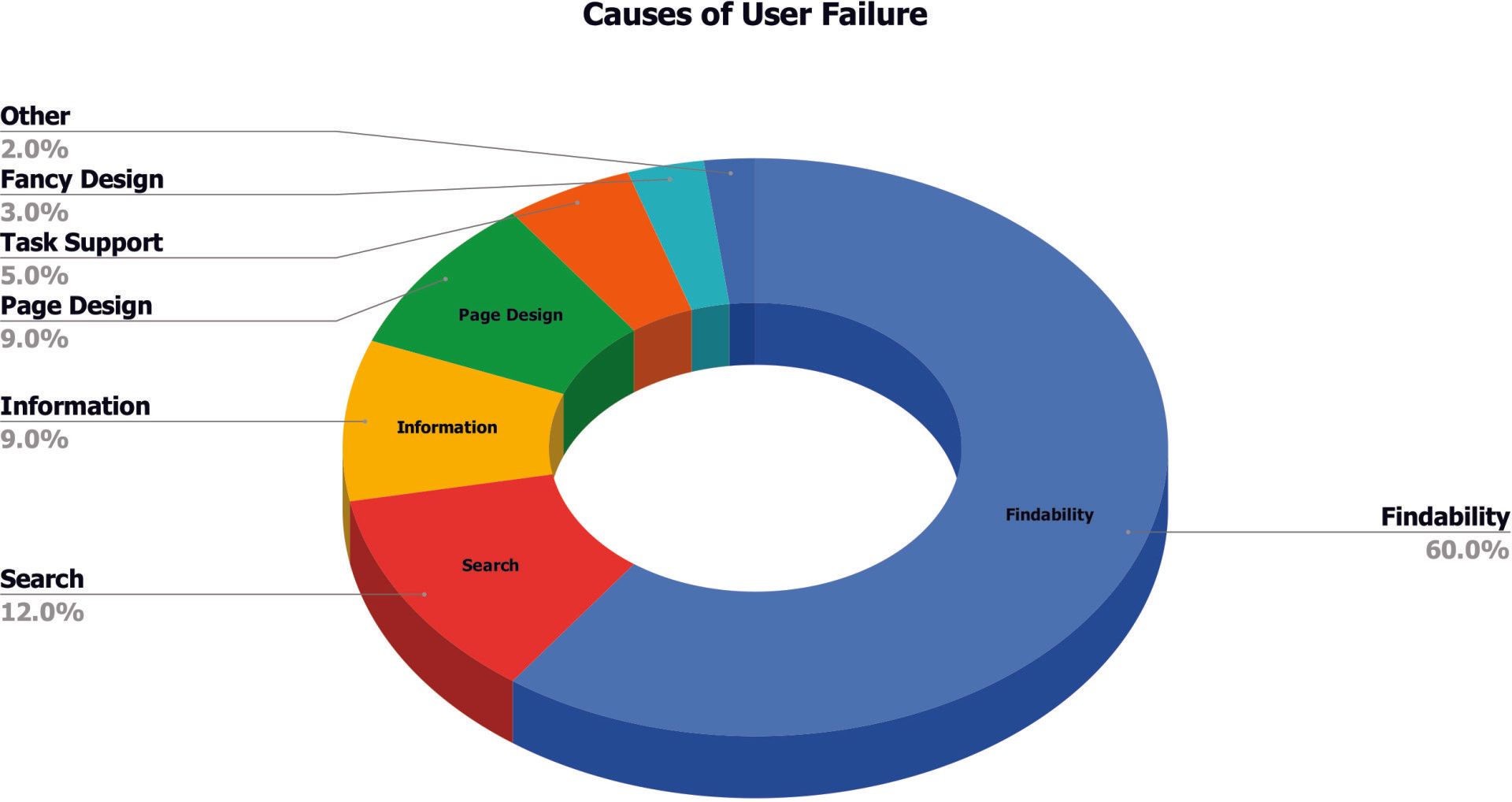
As much as we’ve noted in past articles that a great website design is important, findability is more important. You may be wondering what does that mean? Well most people use a search engine, YouTube or other platforms to search with intent. They’re looking for an answer to a question or to address an objection.
You can have the best looking website in the world or hundreds of videos on YouTube or social media but if your content doesn’t answer a question or address an objection, Google and other search engines may not list your content in search and people will not find you.
Remember Google is not there to help you, they are there to help their users (I.E. Customers) find exactly what they’re looking for as quickly and accurately as possible.
More importantly if they do find you and you’re not answing a question or address an objection, they most likely will leave.
Ensure that your articles, podcasts, images or videos contain information your audience can benefit from. Based on current statistics
you have about three seconds to grab someone's attention.
If they see that you can provide them with valuable information, they'll see you as an expert in the industry and feel better about possibly working with you in the future.
Pro Tip:
If you're unsure what you should talk about in your next video or blog post, head to social media and ask your audience if there's anything they want or need help with. You can also use info from the inquires you get from your customer. What do they keep inquiring the most about? Then develop content around those questions.
5. Make your content easy to understand
When writing content or developing any content regardless of its format, make it easy for your reader to consume and understand.
Nobody wants to scan through walls and walls of text or watch a long video and get nothing out of it after all!
In the case of the written word, break up your text with:
- Images
- Graphs
- Bulleted lists
- Highlighted or bold important info
- Statistics
- Related facts or tips
- Videos
Give your readers a break from all the text by putting in relevant images and other media - they'll be more likely to read to the end then!
If you’re creating videos, keep them short if you’re developing long form videos break them up into segments.
Pro Tip:
Don't forget to make your CTA easy to read. If your CTA is too difficult to understand, nobody will click on it.
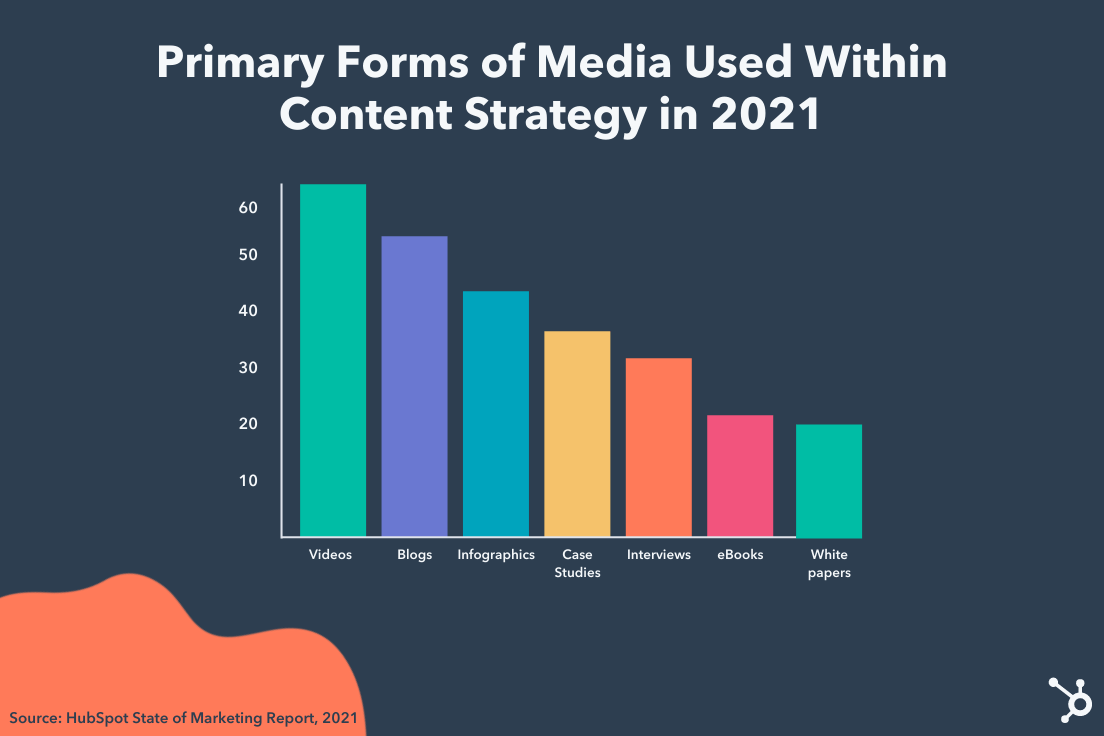
6. Use other forms of media
If you're posting blog after blog or uploading simple text posts to your social media, your audience will get bored.
Don't forget to take advantage of other forms of media!
Use video to your advantage by uploading videos of custom builds and behind-the-scenes videos of events you've attended. People love to watch videos and are more likely to interact and comment on a video than a blog post. Even
88% of video marketers say that video always gives positive ROI.
Most aftermarket shops take hundreds if not thousands of photos of their projects to document a build, post these in image galleries for each build on your site and share the projects’ process online.
You can also use audio to your advantage by uploading audio tips to your social media or email marketing - many people find it easier to listen to audio than read guides.
If you love creating audio content, then consider starting a podcast or look to get on an episode of a podcast in the industry.
Pro Tip: Pictures speak a thousand words, so use this to your advantage when creating written content. Use graphs, pictures, diagrams, and other visual aids to help your reader interact with your blogs, articles, and social media posts!
7. Remember ‘Who Not How’
You're probably reading through this thinking about how you'll get time to do all of this. It's important to remember it's not about 'how' you do it but about 'who' you can get to help you achieve it.
Content is king, but if you're too busy running the important aspects of your aftermarket auto restoration, performance, race, and restyling shop, then delegate the task of content creation to one of your employees - or hire a new face or 3rd party expert to take care of it for you.
Content is vital for the success of your shop online, but this doesn't mean you should feel stressed by all these new tasks or under pressure while trying to take care of your business.
Don't take time away from those important client projects, selling and engaging with your clients. Find the perfect person or the 'who' to take care of your content creation and content marketing for you.
NOTE: For more on the Who Not How concept, check out “Think Who Not How’ in the August Issue of THE SHOP Magazine.
Pro Tip: There are a lot of small tasks in every business that can be given to your employees. If you think something is taking up too much of your time, find out if somebody on your team or a 3rd party expert can take care of it for you.
So, now do you believe content is king?
There's a lot to take away when it comes to developing, writing, filming, and editing content for your business, but it's all worth it. The more content you provide your audience, the more they'll come to see you as the go-to expert in your aftermarket auto restoration, performance, race, or restyling shop.
Start getting the help you need when creating the best content possible for your shop.