
Motorhead Articles
Get Your Marketing in Gear
Changing lanes: the beginner's guide to selling online
Barry Alt • December 1, 2019
Who doesn’t want a 24/7 salesman? Here’s how to get started
Who doesn’t want a 24/7 salesman? Here’s how to get started
Last year, sales of auto parts and accessories in the United States equaled roughly $140 billion, with $15 billion of that happening online, according to marketing and research firm Hedges & Company. This year, sales of automotive parts and accessories on cell phones will exceed $7.4 billion - about 60.2% of the estimated total of online sales.
If you think selling online is just for products, think again! To get your share of the ever-increasing amount of online sales, there are plenty of online selling options to choose from.
You can sell services such as a basic performance tuneup, schedule time on your dyno or sell custom tuning packages that include parts installation. You can even sell your time and expertise online by doing consultations via online scheduling and conferencing (Zoom and Skype are two examples of platforms that can help you do this).
Not convinced? Try Googling 'schedule a tune up appointment near me' and see all the auto shops near you that have already started selling online.
Thinking of cashing in on the huge opportunities available to your company online? There are a few things to consider before getting started which we'll cover in this article. It’s not simple, but it IS profitable. We've shared a few insider secrets in this piece to make your online presence successful, quicker.
So, here are our top tips for auto shops looking to start selling online.
- What are you selling, and to who?
- Get all your content together and ready
- Choose the right eCommerce platform for your needs
- Time to build this thing!
- Start your online selling marketing strategy
- Keep at it!
1. What are you selling, and to who?
It might seem obvious, but we can't state how important it is to have a clear, well-thought-out product/service/price list. You can't get your online selling strategy down unless you know exactly what you're looking to promote.
Thinking about putting up an online shop to sell your services and accessories? You're going to need a completely different approach than someone who's looking to implement an online appointment booking system for tune-ups or dyno time for example.
First things first though, you need to look at your audience.
- Who are you selling to?
- Will they buy your services or products online?
- Where do they hangout online?
- Are they into DIY options or done-for-you services?
- Where can you advertise to get their attention?
Once you've figured out what (and who) you want to focus on, you'll know what you need out of your website.
To get the best return on your investment, you want to take some time to consider your long-term strategy for getting (and keeping) new customers. Have you got a plan in place to help give your new customer the same unrivaled experience they'd get in person? Are you ready to offer shipping? Do you know how much shipping costs and how long it takes? Remember, if you’re offering next day delivery, you need to deliver the next day! Don’t promise what you can’t deliver! Pun intended.
This might seem a bit like overkill, but the more you know about who you're trying to sell to and how you’re going to do it, the easier it will be to connect with them (and eventually turn them into loyal, repeat customers).
Pro tip:
If you've already got a website, you'll need to find out if it can support the addition of an e-commerce store/online payment system and if not you may need to have your new online store setup on a new platform eveloped to support ecommerce. This will greatly influence the price you'll pay for site development as well as your monthly ongoing hosting and care plan fees.
2. Get all your content together and ready
Content covers a wide variety of online assets, including: photos, text, videos, price lists, product lists, service lists etc.
When it comes to selling products online you’ll need more than just a nice set of photos and a brief description of your products. In our industry, customers expect to have detailed technical specs so you’ll need this info on hand. Oh and don’t forget since you may be shipping your products you’ll need to know the weight of each item.
In this industry, the power of good photography can't be underestimated. Great product photography is the easiest way to attract new customers. A high quality set of photos showcasing your premises, your services or your products can be used for multiple platforms - from your website to social media, trade show exhibits to flyers.
The same goes for good website text (otherwise known as copy or content writing) - get it done right the first time and you can re-use your key messaging on all your website and marketing material going forward.
We recommend that you hire a professional photographer as well as a content writer to help you with this task, content writers can also make sure your content is written properly for search engine optimization.
If you're doing any of your site's content yourself, make sure you run it by someone you trust for honest feedback. You want a professional online presence, so avoid blurry photos and spelling mistakes! Also remember that you need to think about your customers and how they may interact with your site, getting too technical or wordy might turn them off. These days, less is more. Clear and concise is the way forward!
3. Choose the right eCommerce platform for your needs
There are hundreds of options for eCommerce platforms. That's an overwhelming thought as is, let alone trying to figure out what one has the best features for your needs!
An easy rule to follow: stick to a popular option like Shopify, Volusion, BigCommerce or WooCommerce for WordPress, as these will have great support for your chosen web developer to solve any future issues that may arise, they’ll also support your growth when the orders start coming in (and if you need to switch web design agencies, you'll have more choice of companies that can work with your site).
You'll also be required to choose an online payment gateway to collect the payments through your site. The most popular and reliable options are PayPal and Stripe. Keep in mind that online payment gateways will take a % of each sale you make this ranged from 2.9 - 3.9% - this goes for websites selling both products and services. You’ll also need to meet PCI credit card compliance standards, this sounds scary but if you or your selected developer uses a top quality ecommerce platform like the ones previously mentioned, they usually have this covered but you’ll want to confirm before moving forward.
If you're looking to take payments online or schedule services on-site (or at trade or car shows), you’ll want to find make sure the platform and/or payment gateway you select provides a mobile app or is mobile ready.
4. Time to build this thing!
Now you have two choices - you can either build this yourself (if you've got the time to spare - the average ecommerce website with 20-50 products can take up to 60 hours or more to properly create and test! Don’t forget the technological know-how needed too...) or you can hire a professional to do it for you (we might know someone...)
One huge step before you go live with your new ecommerce site is to make sure you test the shopping cart functionality. Does it calculate the price, taxes and shipping correctly. Does it notify you and the customer that the order was successfully placed? Test, test and test again - this is not something you want going wrong. Also don’t forget to double check all your product and service pricing.
Whichever route you choose to take, you want to make sure your online shop/booking system is built to current accessibility standards, following best practice guidelines for search engine optimization, security precautions and mobile friendliness.
Pro tip:
We’ve already mentioned it once but it’s so important we’re saying it again. If you’re selling products that need to be shipped direct to the customer from your shop or a direct ship supplier, remember we live in a world of instant ratification. If you give the customer the option to receive the product the next day, within two days or on a specific date, you need to deliver on your promise and have a process to get that product out ASAP.
5. Start your online selling marketing strategy
Ok, so you've got your online shop/booking system live - time to sit back and watch the dollars roll in, right? WRONG!
Unfortunately in the online world of today the old saying “if you build it, they will come” is wishful thinking.
Now you need to attract visitors to the site. You'll want to look at blogging on a regular basis (a key pillar of content marketing, helping you appear in search engine results). You can also participate in industry forums where your customers hang out, offer helpful support related to the products and services you offer, become the expert they know and trust. But do not sell unless the forum provides an area to do so, just be the expert and people will come.
Another underrated form of content is video. Keep in mind that online content like video tutorials, product reviews or step-by-step instructions can be an incredible draw for customers.
When it comes to paying for advertisements, you’ll want to make sure you're advertising on the right platform. In this industry, our audience usually hangs out on Facebook or Instagram. Google Ads are always a good choice, no matter who you're looking to appeal to.
Reaching customers through social media is one of the best ways to engage and attract new buyers. Most ad platforms allow you to run discount specials or offer coupon codes easily, helping you capture your audience's attention.
Pro tip:
A super common mistake for first-time online sellers is to set up online ads that drive traffic to their home page. Make sure your online ads link to a relevant product or custom ad-related landing page on your website.
6. Keep at it!
Once you're up and running, you're making sales/securing appointments, you need to maintain your website and keep investing in online ads. Think of your online shop/website as a car - you need to keep giving it periodic tune-ups, or it'll break down.
Online selling can be an incredibly profit booster and help you access an entirely new set of customers.
Getting started can be a bit overwhelming and a total time suck if you don’t have a process setup.
You can do it yourself but we recommend a professional that knows all the ins and out of a digital strategy and selling online. It will save you time, money and a lot of stress in the long run!
Get back to doing what you love - get off the phone, stuck booking people in for appointments or answering questions about products and let your website do the work for you.
About the author
With over 20 years of experience, Barry Alt combines his passion for most anything automotive with his ability to strategize in the digital world to bring you a full service digital agency just for automotive professionals: Motorhead Digital.
If you're ready for a higher level of performance in your digital marketing efforts, Barry Alt and the Motorhead Digital team have proven processes that will help you stay savvy and at the top of your game - going way beyond a simple website.
You can contact Barry on 585-766-9785 orbalt@motorheaddigital.com
As seen on The Shop Magazine

Incomplete fitment and product details can limit aftermarket visibility. Learn how better data, FAQs, and installation guides support AI search and sales.

New data shows drivers want physical buttons back. Here's what the analog car comeback means for restoration, custom, and performance shops.
U.S. vehicles now average 12.8 years old. Learn how the aging vehicle fleet is creating new opportunities for repair shops, parts suppliers, and the automotive aftermarket.

Level 7 Motorsports rebrands its performance parts store as Spirit and Speed, featuring an expanded parts lineup and a refreshed Shopify website.
The automotive right to repair battle just saw a massive victory with the Freedom to Fix memorandum. Learn how independent shops can leverage this to win.
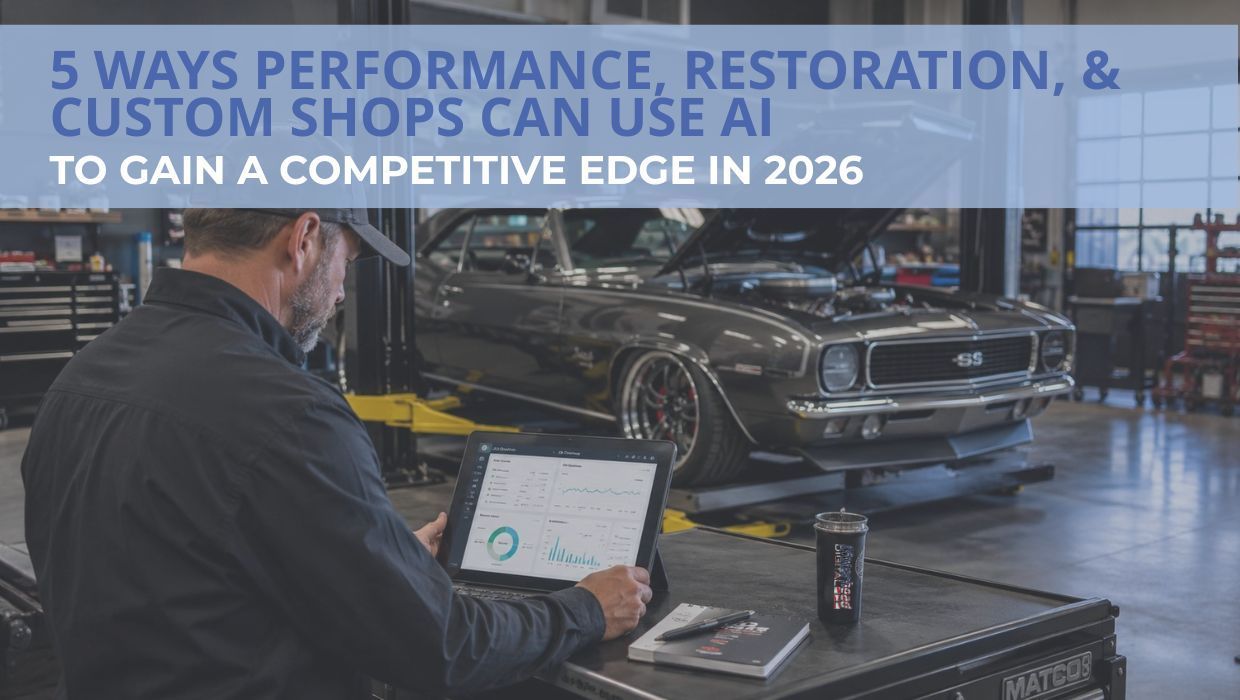
AI won't replace your technicians, but it can make your shop faster, sharper, and more visible. Here are 5 practical ways performance, restoration, and custom shops can use AI in 2026.
Tariffs are squeezing the specialty automotive aftermarket. Here's how restoration, custom build, and performance shops can communicate pricing clearly, build customer trust, and protect their businesses as costs climb.

What started as a car show became a mission to inspire young builders. See how students are gaining real skills while helping preserve automotive culture.
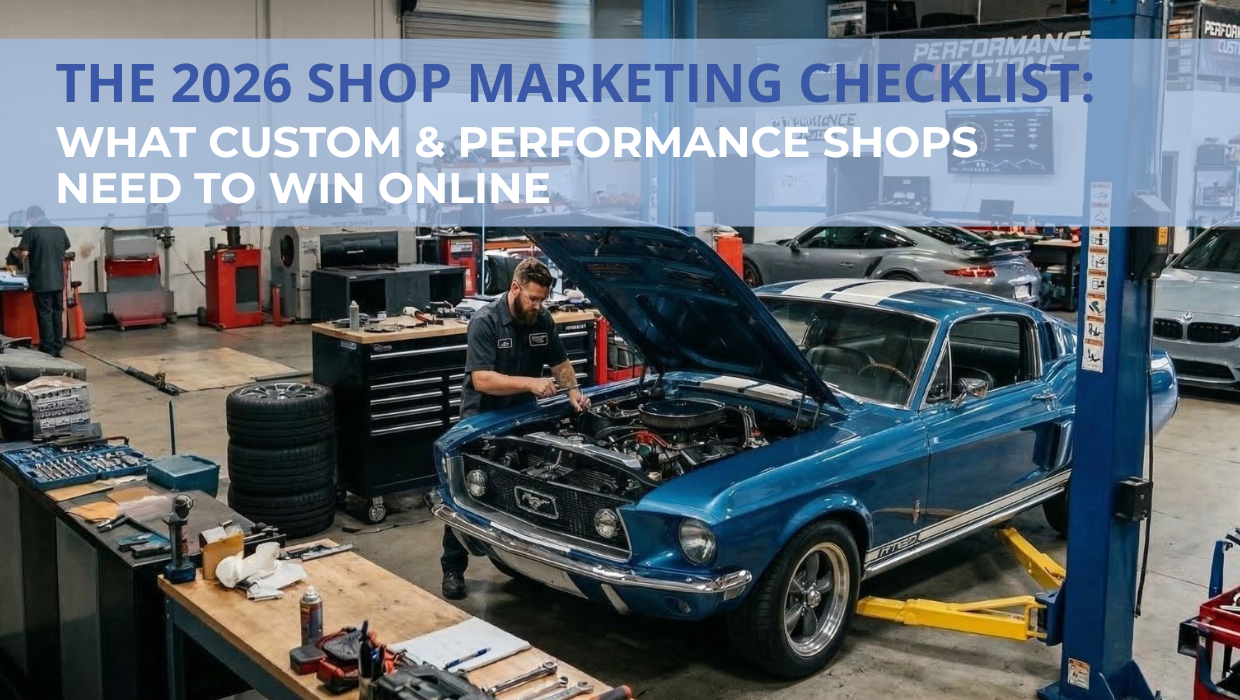
A practical 2026 marketing checklist for custom car, restoration, and performance shops. Learn the essential digital marketing strategies every automotive shop needs to increase visibility, generate leads, and win more builds online.
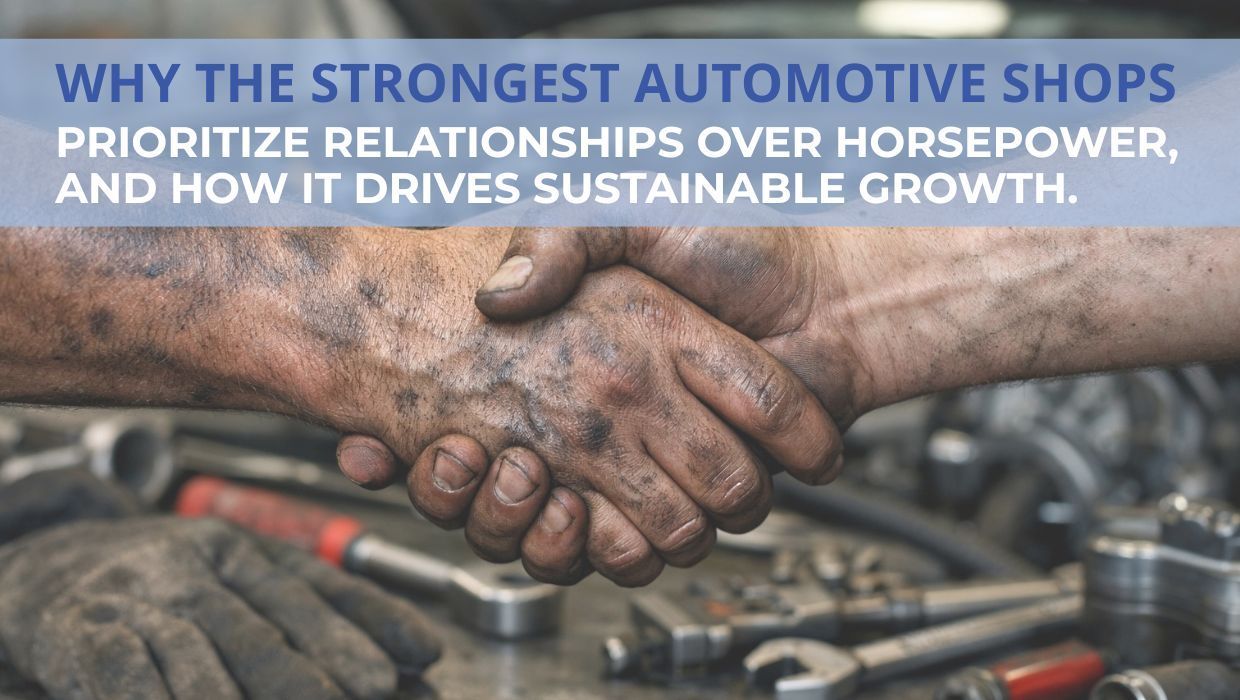
Trust isn't a buzzword in the automotive aftermarket, it's currency. Discover how successful shops build loyalty, earn trust, and create lasting customer relationships that fuel long-term growth.