
Motorhead Articles
Get Your Marketing in Gear
Social Media Marketing: What Every Auto Shop Needs To Know
Barry Alt • December 4, 2019
There's more to social media marketing than just running paid ads. This article covers the four main areas of social media marketing that will help you get the best brand exposure and return on your investment.
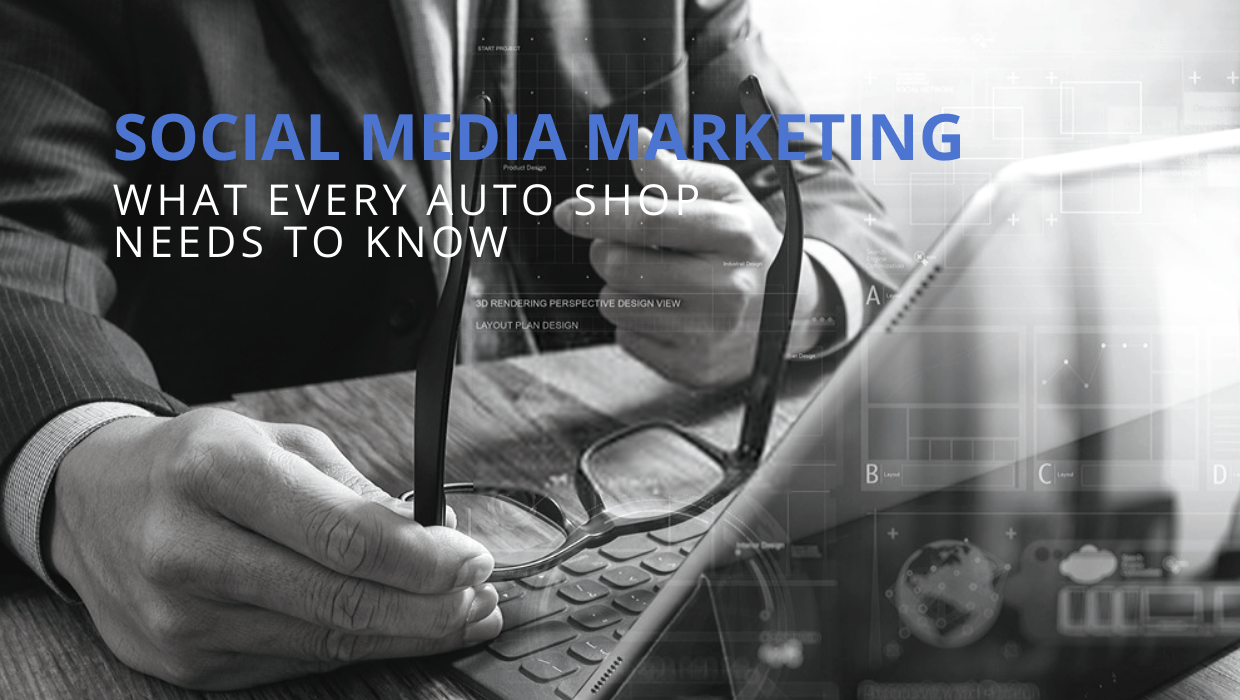
Social media is a direct channel into your customers' daily lives - it's a great communication tool and an unbelievable relationship builder.
If you’re not sure of what social media marketing includes (or what it is!) here’s a quick introduction.
What is social media marketing?
Social media marketing (SMM) is a form of internet marketing that uses social networking websites as a marketing tool.
Social networking sites include Facebook, Twitter, LinkedIn, Youtube, Instagram and Snapchat.
The goal of SMM is to produce content that users will share with their friends online to help a company increase brand exposure and broaden their customer reach.
In our 20+ years of working with business owners, we've never seen a marketing tool so effective, yet so overlooked by our industry.
As of 2019, there are 3.48 billion social media users, with the worldwide total growing by 288 million (9 percent) since this time last year. Facebook is still the 3rd most popular website on the internet (We Are Social Study 2019) - but there are plenty of other options there to help you connect with your audience. The power of social media can't be denied and the longer you avoid it, the more potential customers you're missing out on.
Not only is it a direct line of communication with the people you want to serve, the reporting tools available for each platform can provide you with unrivaled insight into what resonates with your audience. Thanks to social media marketing, we now have the ability to measure the effectiveness of each marketing campaign in-depth like never before.
For the unfamiliar out there, there are 5 main social media marketing channels that are effective in the automotive world: Facebook, Instagram, LinkedIn, Twitter & YouTube. Which one (or two, or three!) that will give you the best return on your investment depends on who your customer base is.
Before investing your time or your money in social media marketing, you need to decide who your ideal customers are. This might be determined by their age, marital status, income level or many other factors.
Once you know who you're targeting, you need to figure out where they're hanging out online. Knowing where your customer spends their time online is a huge factor in getting the best return on your ad dollars and time investment.
There's more to social media marketing than just running paid ads. This article covers the four main areas of social media marketing that will help you get the best brand exposure and return on your investment.
1. Using social media for customer service
We've all heard of companies that got a negative online review that went viral because of their unprofessional response. Don't let those once-in-a-blue-moon bad experiences put you off.
For many auto shop owners, investing in a reputation management service is a must - it's one of our most popular services for this industry. For a lot of people, social media is the first go-to touchpoint for a company if they have a question or need a problem solved.
In fact, a recent J.D Power survey indicated that 67% of consumers used a company’s social media channels to seek customer support. That includes both pre-purchase enquiries and post-purchase problems.
Facebook messenger is an invaluable resource for managing customer requests and questions. If you’re not overtly comfortable using technology, it’s one of the most accessible and easy-to-use solutions out there.
With more car owners relying on their cell phones for day-to-day tasks than ever before, it's easier for them to send you a message on Facebook or Instagram than it is to actually call you. If they're browsing through your Instagram feed at 3am and see something they really like, they'll drop you a message right then and there - they won't wait to give you a call the next day.
But what does that all mean for you? Social media gives you an amazing opportunity to connect with potential new customers and showcase your unrivaled level of customer service and expertise in the industry.
The only downside? Some social media sites will show the average time it takes you to answer private messages. You're expected to answer within 24 hours, but the quicker the better. If you leave customer queries unanswered and your profile shows a lack of engagement, it can prevent potential customers from getting in touch with you.
As with everything online, you get out what you put in. Some companies use public customer support situations to double down on their brand’s personality and show their sense of humor - but sometimes this is best left to the PR professionals!
2. Monitor your reputation with social media PR
Social PR is pretty similar to influencer marketing but with one major difference - the goal. Social media PR focuses on building a positive brand perception among its audience. PR has always been about monitoring a company's reputation and building relationships with other companies as well as customers.
Thanks to social media, you can keep track of who's saying what as well as what the important figureheads in the automotive world are up to - all in one place.
With a simple tool like BrandWatch, Google Alerts or HootSuite, you can get notifications if someone mentions or tags your company in any posts or reviews online. Instant notification means you can reply instantly too - which can be a serious reputation saver when it comes to bad online reviews.
3. Build relationships with others in the industry
While it's incredibly important to create original content for your own website, it's ok (and encouraged) to share other people's content on your social media profiles. Social media isn't just about attracting new customers, it's about networking with other businesses too.
Sharing other company's content has special value on social media - it can help expose your brand and build relationships with influential people in your industry.
A great option is to find a YouTube channel with content that resonates with your audience, reach out to the creator and ask about embedding it on your website.
Not only do they get more views, you benefit from the SEO value. SEO stands for search engine optimization - if the video is high quality, informative and helps your website’s visitors find what they want, your website will rank higher on the search engines.
LinkedIn is an amazing platform to network with other business owners - and high-end clients. Traditionally used for B2B opportunities, many luxury performance and auto shops have started to interact with, and market to, their audience here.
There is no social network more catered to business professionals than LinkedIn. What does that mean for you? 44 percent of LinkedIn users have incomes over $75,000- the site is essentially “built for social selling.” Basically, it’s a great place to find customers with plenty of disposable income.
4. Gain exposure with influencer marketing
Influencer marketing produces an ROI that’s 11x higher than other traditional forms of marketing (Social Media Today).
If you haven’t heard of influencer marketing before, it works off the same premise as buying based on a friend or family member's recommendation of a product/service - only instead of a trusted best friend, you buy something based on what a popular online figure in the industry says.
It's not just celebrities or well-respected auto authority figures who have selling power now, it's people with millions of Instagram/YouTube followers.
Influencer marketing is huge in our industry. By getting a popular influencer to promote you, you can get your company in front of millions of potential customers.
Influencer marketing is about building alliances with influencers - a positive reviews by one of these guys can seriously boost a company's exposure and sales.
If you're a small to medium sized business, it can be tough to get into this. If you can is will pay huge dividends.
The best approach? Follow and interact with your influencer of choice for a few weeks before you approach them to represent or work with your brand. Make sure that the influencer you choose has the right audience for your business - they need to be popular with the clients you’re looking to attract.
If you simply don’t have the budget (or the time) to invest into this, it can be a better decision to invest in establishing your own expert status. You don’t have to convince millions of people you’re the best in the industry - just the people in your local community.
Just like any part of a solid marketing strategy - social media tactics should be scaled up or down to suit you, your business and your target audience.
To get the most out of social media marketing, you need to make sure you have a clearly defined strategy with set goals you're looking to achieve (and that can actually be achieved). As with any marketing campaign or initiative, if you don't know what you're aiming for, you won't know when you get there.
About the author
With over 20 years of experience, Barry Alt combines his passion for most anything automotive with his ability to strategize in the digital world to bring you a full service digital agency just for automotive professionals: Motorhead Digital.
If you're ready for a higher level of performance in your digital marketing efforts, Barry Alt and the Motorhead Digital team have proven processes that will help you stay savvy and at the top of your game - going way beyond a simple website.
You can contact Barry on 585-766-9785 or balt@motorheaddigital.com
As seen on ASA AutoInc.
Official Magazine of the Automotive Service Association

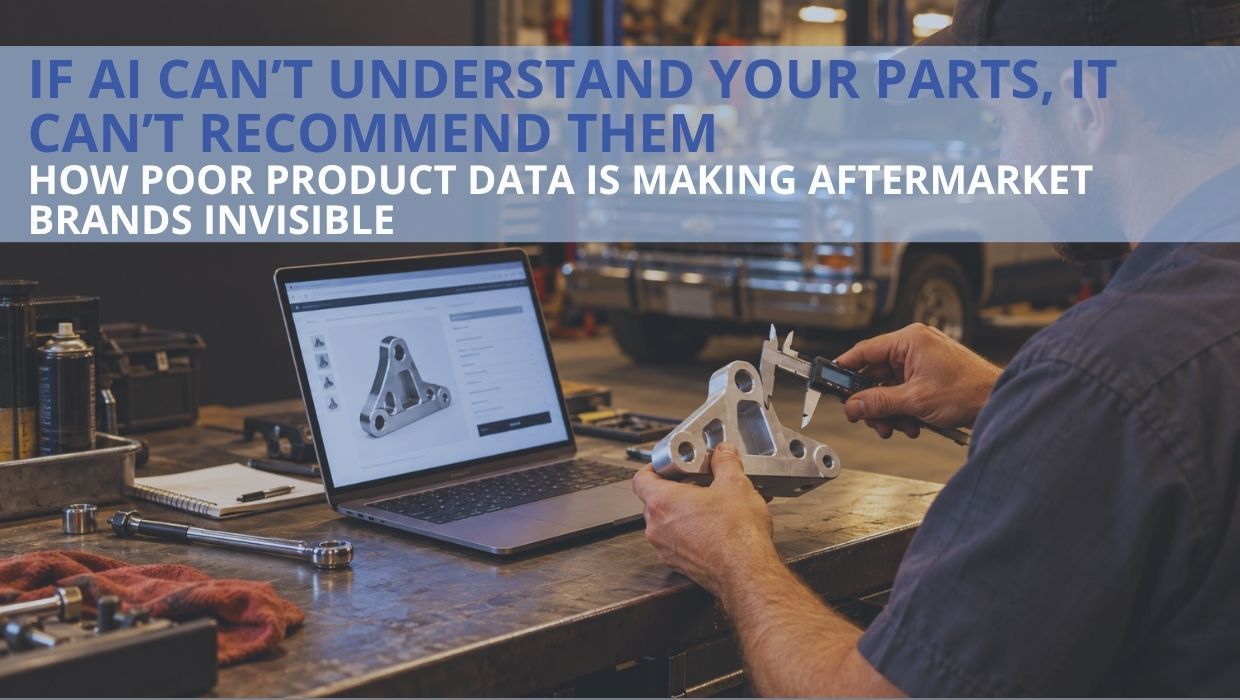
Incomplete fitment and product details can limit aftermarket visibility. Learn how better data, FAQs, and installation guides support AI search and sales.

New data shows drivers want physical buttons back. Here's what the analog car comeback means for restoration, custom, and performance shops.
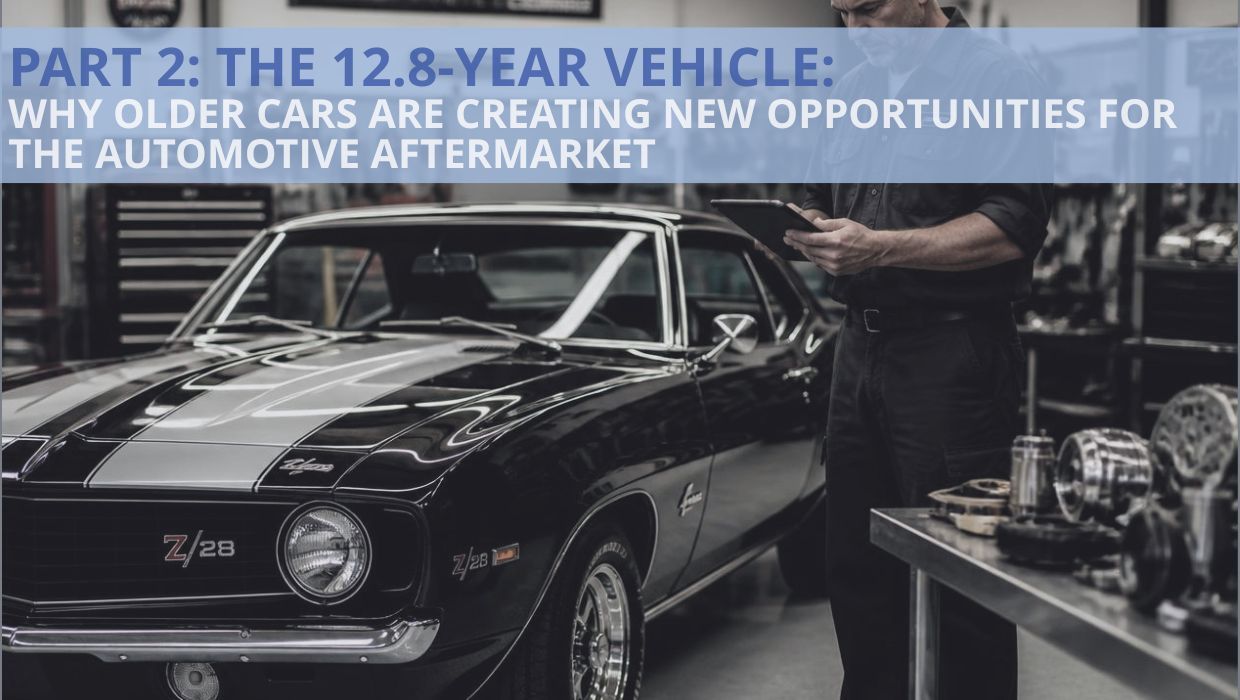
U.S. vehicles now average 12.8 years old. Learn how the aging vehicle fleet is creating new opportunities for repair shops, parts suppliers, and the automotive aftermarket.

Level 7 Motorsports rebrands its performance parts store as Spirit and Speed, featuring an expanded parts lineup and a refreshed Shopify website.
The automotive right to repair battle just saw a massive victory with the Freedom to Fix memorandum. Learn how independent shops can leverage this to win.
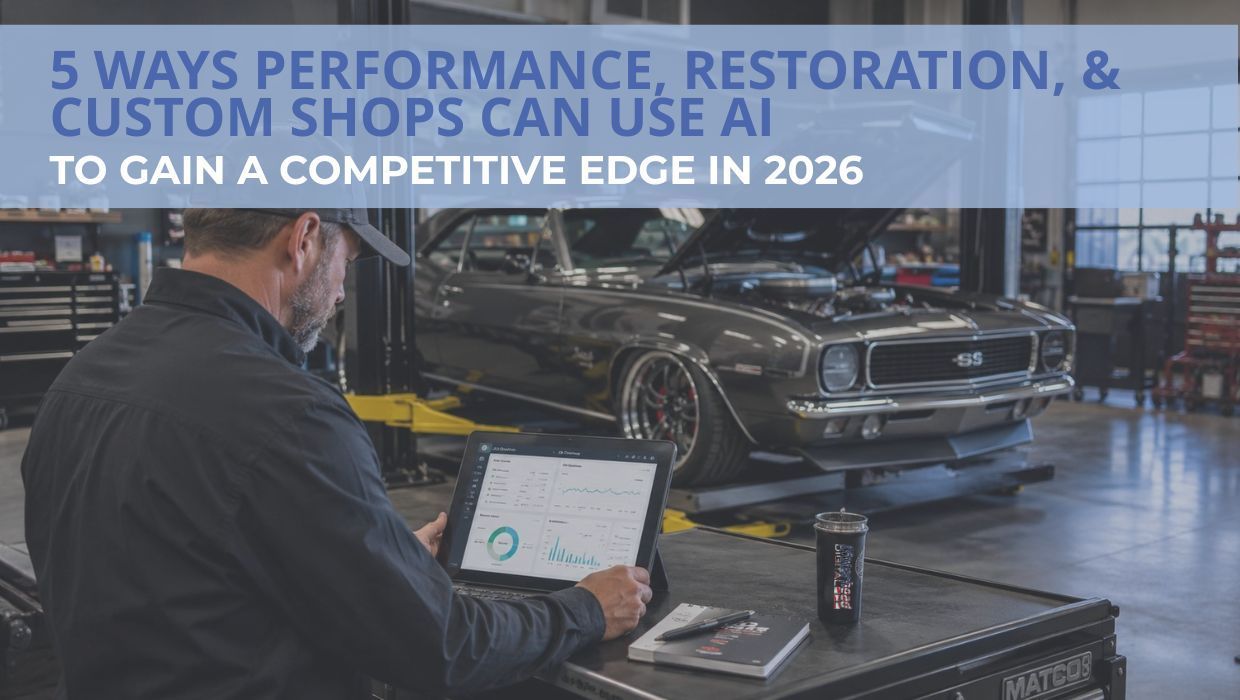
AI won't replace your technicians, but it can make your shop faster, sharper, and more visible. Here are 5 practical ways performance, restoration, and custom shops can use AI in 2026.
Tariffs are squeezing the specialty automotive aftermarket. Here's how restoration, custom build, and performance shops can communicate pricing clearly, build customer trust, and protect their businesses as costs climb.
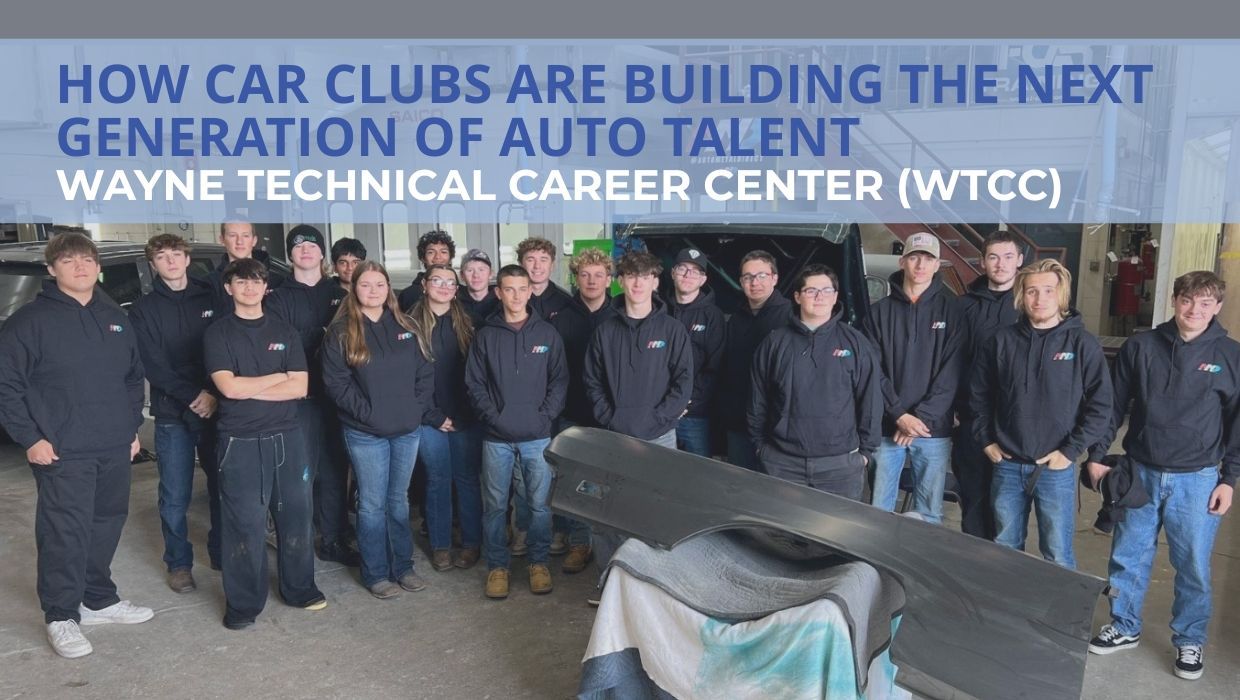
What started as a car show became a mission to inspire young builders. See how students are gaining real skills while helping preserve automotive culture.
A practical 2026 marketing checklist for custom car, restoration, and performance shops. Learn the essential digital marketing strategies every automotive shop needs to increase visibility, generate leads, and win more builds online.
Trust isn't a buzzword in the automotive aftermarket, it's currency. Discover how successful shops build loyalty, earn trust, and create lasting customer relationships that fuel long-term growth.