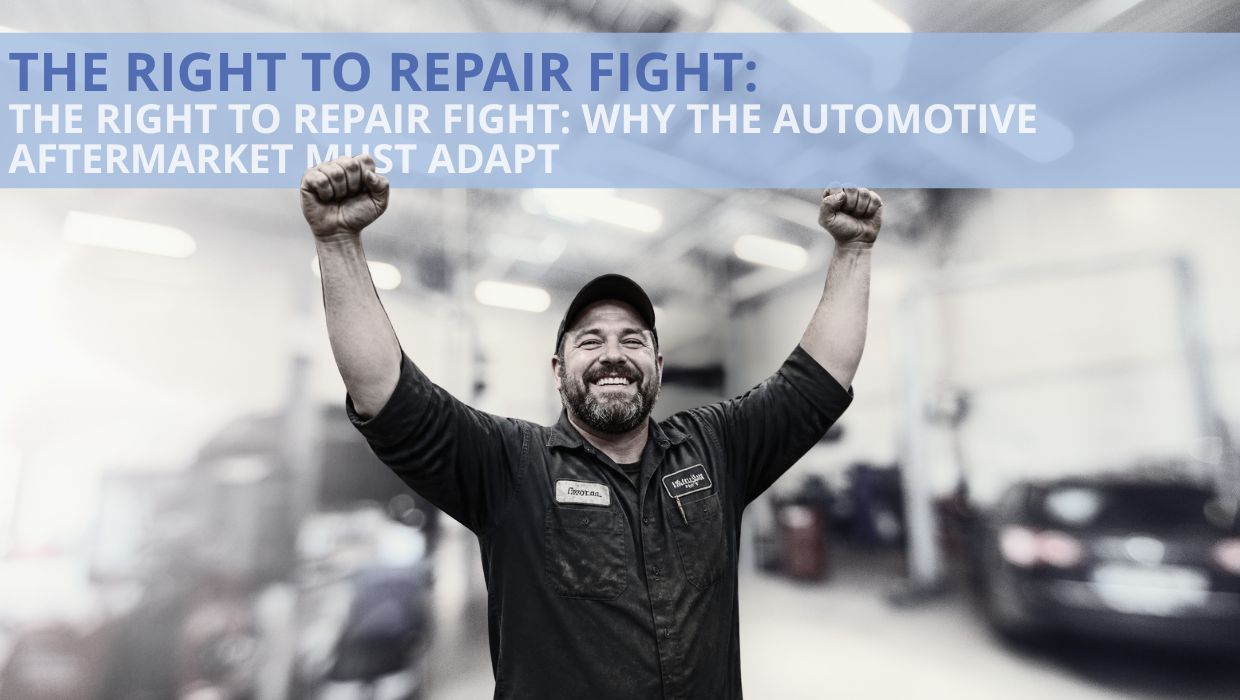
Part 1: The Right to Repair Fight and the Freedom to Fix Victory
There was a time when fixing or upgrading a vehicle came down to experience, a solid set of tools, a service manual, and a tech who knew how to listen to what a car was telling them.
That world is not gone, but it has drastically changed.
Today’s vehicles are essentially rolling computer networks. Even a straightforward repair or performance upgrade can involve advanced sensors, software updates, complex scan tools, calibration procedures, and security access. For dealerships, that information is baked into their systems from day one. But for independent repair shops, restoration specialists, performance builders, and the broader aftermarket, getting access to that exact same data has been a massive hurdle.
For years, independent shops ran straight into a wall built by manufacturer-controlled systems. This data lockout is exactly why the ongoing Right to Repair conversation has dominated the industry.
However, the aftermarket just scored a federal victory, particularly in the areas of emissions-related repairs and aftermarket product compliance.
The Freedom to Fix Memorandum Creates Meaningful Progress
In late June 2026, President Trump signed the
“Freedom to Fix” Presidential Memorandum. This was a massive win for the automotive aftermarket.
The memorandum directed the EPA to clarify what vehicle owners and repairers may legally do when completing emissions-related repairs. It also called for clearer and more efficient pathways for aftermarket manufacturers to demonstrate compliance with the Clean Air Act.
The
EPA subsequently reaffirmed that automakers have existing obligations to make emissions-related repair resources available on reasonable terms. These resources may include service information, onboard diagnostic data, reprogramming procedures, training materials, and manufacturer-specific tools needed for emissions-system repairs.
This is not just political noise coming out of Washington. It is a practical, daily game changer that
can save time and money.
Independent shops are not looking for special treatment, nor are they trying to cut corners. Shop owners constantly invest heavy capital into training, costly software subscriptions, diagnostic tools, and skilled technicians just to keep pace with rapid technological changes.
The new federal guidance provides greater clarity around access to emissions-related repair information and reinforces the position that emissions regulations should not be used as a blanket reason to withhold legitimate repair resources.
However, this action does not create a comprehensive federal Right to Repair law. It does not guarantee unrestricted access to every piece of vehicle data, proprietary software, telematics information, security system, or manufacturer-controlled technology. The broader Right to Repair fight is still underway.
A Massive Win for the Specialty Aftermarket
This victory affects much more than just the local general repair shop. The entire automotive aftermarket thrives on the ability to fully understand, service, and improve vehicles.
The recent EPA action also included a major development for performance-parts manufacturers and specialty aftermarket businesses.
The EPA recognized SEMA Certified-Emissions, also known as SC-E, as a federally recognized pathway for establishing a “reasonable basis” that an aftermarket product complies with applicable Clean Air Act requirements.
For years, manufacturers faced uncertainty about what documentation was sufficient to satisfy the EPA’s reasonable-basis standard. Without a clearly recognized federal pathway, companies were often directed toward obtaining a California Air Resources Board Executive Order, even when products were intended for sale outside California.
SC-E now gives manufacturers an additional, federally recognized option for documenting emissions compliance and supporting 49-state sales outside California.
This does not mean SEMA has become a federal regulator. The EPA still establishes and enforces federal emissions standards. SEMA’s role is to evaluate products against established testing protocols and provide documentation that supports a manufacturer’s “reasonable basis” to believe their products meet emissions standards required to sell their products in 49 states.
SC-E is also not an exemption from emissions requirements. Products must still undergo technical evaluation and are certified only for the specific vehicles, engines, model years, and applications for which they were tested.
California also remains separate. Manufacturers seeking to sell emissions-related products in California must still obtain a CARB Executive Order. SC-E adds another federal pathway, but it does not replace CARB’s authority within California.
Restoration shops need accurate specs to revive classics safely. Performance shops must understand how factory electronics interact with aftermarket upgrades. Custom builders have to seamlessly blend old-school craftsmanship with complex modern components.
With a clearer federally recognized pathway for documenting emissions compliance, manufacturers, distributors, and retailers have greater certainty when developing, carrying, and selling properly tested products.
That certainty is especially important for smaller manufacturers. A federally recognized compliance pathway can help reduce distributor concerns, improve access to national markets, and lower the risk of stranded inventory or enforcement exposure.
Independent shops and builders benefit when compliant products can reach the market more efficiently, but they must still understand the legal requirements surrounding each product and application.
The Power of Trust and Communication
While the legal barriers are being addressed, shop owners are still fighting tight margins, staffing shortages, and parts delays. This changing landscape highlights a massive opportunity for independent shops in the form of direct customer communication.
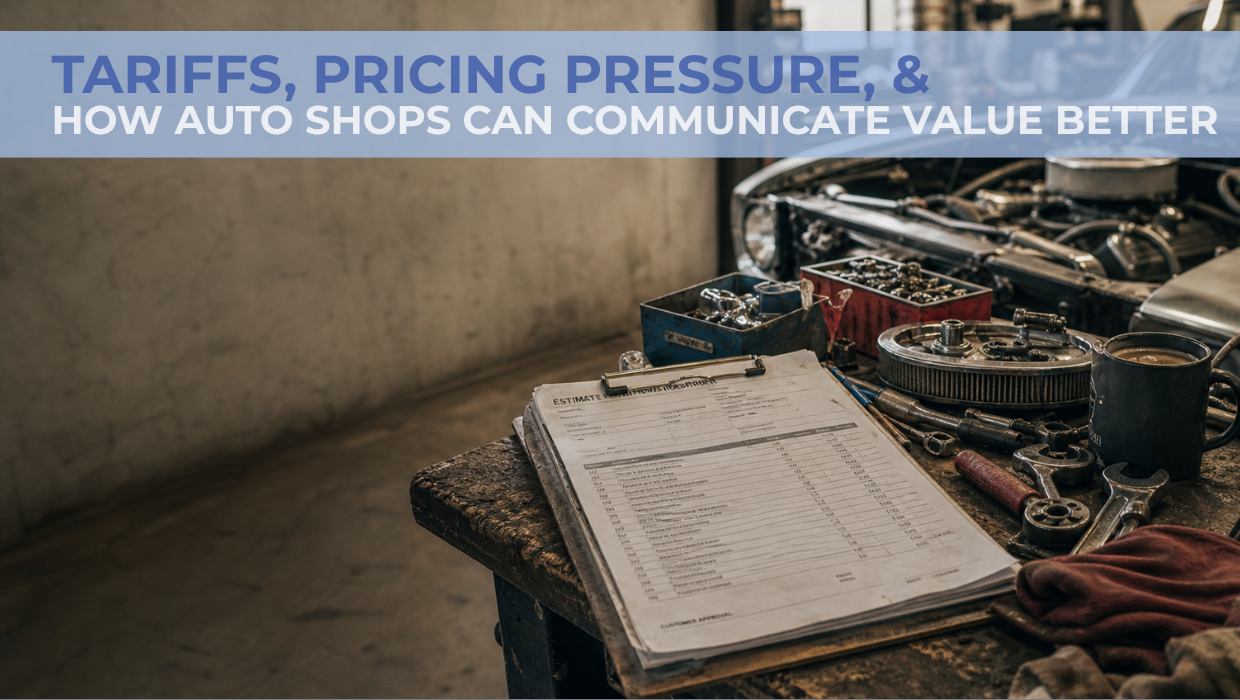
As vehicles become more complicated, customer education becomes absolutely critical. Most vehicle owners do not think about restricted repair data until something breaks or a new performance upgrade throws a dashboard code. They may only see the final invoice and wonder why a modern repair costs so much more than it did ten years ago.
Shops that want to thrive in this new environment must communicate their value clearly.
Read more on this topic in our guide,
How to Use Content Marketing to Draw In New Customers.
Your service advisors need to take the time to explain exactly what goes into a repair.
- Explain why a diagnostic fee is necessary to pinpoint the exact electrical fault.
- Show customers why safety-camera calibration cannot be skipped after certain suspension, collision, or driver-assistance system repairs.
- Use your website to share behind-the-scenes work, showcase your advanced equipment, and highlight your team’s specialized training.
For more guidance, read
How to Optimize Your Social Media Profiles to learn how to structure your digital presence effectively.
Help people understand that independent does not mean less professional. In many cases, it means more specialized, more personal, and more deeply invested in the customer relationship.
Keeping the Industry Moving
The recent Freedom to Fix memorandum proves that advocacy works.
It provides clearer federal support for emissions-related repairs and gives aftermarket manufacturers an additional federally recognized pathway for documenting product compliance.
It may also improve consumer choice by making it easier for compliant replacement and performance products to reach the market.
Still, it is important not to overstate what happened. The memorandum and EPA action do not settle every Right to Repair issue. Questions involving telematics, cybersecurity access, proprietary software, non-emissions repair data, and manufacturer-controlled systems remain part of the larger industry debate.
The shops that will win this next chapter are the ones that keep sharpening their skills, investing in their people, following current compliance requirements, and telling their stories clearly online.
Because no matter how advanced vehicles become, the aftermarket still runs on something very human. It relies on trust, craftsmanship, creative problem-solving, and pride in a job well done.
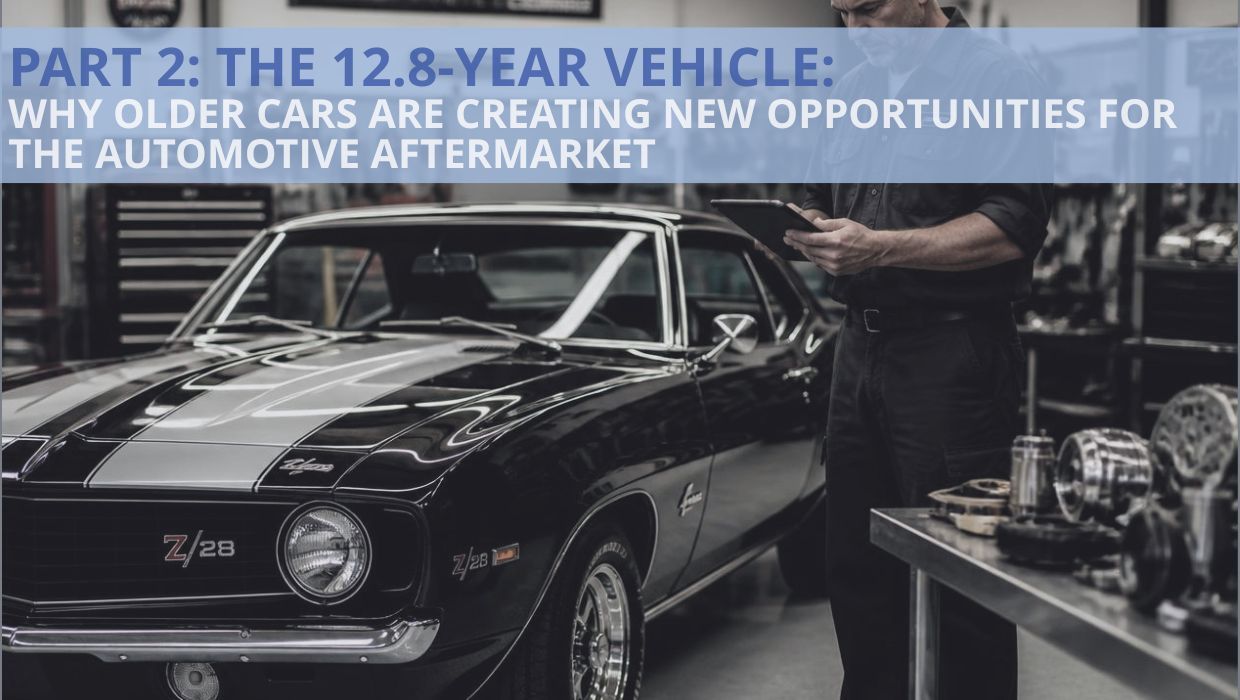
Coming Next Month: Part 2, The 12.8-Year Vehicle
While the fight for repair data on new cars has seen meaningful progress, there is a major shift happening right now in shop bays.
The average age of cars and light trucks on U.S. roads reached a record 12.8 years in 2025.
In Part 2 of this series, we will cover
The 12.8-Year Vehicle: Why Older Cars Are Creating New Opportunities for Aftermarket Shops.
We will detail how the aging vehicle fleet is driving demand for restoration, specialized maintenance, performance upgrades, and how your shop can capture that growing market.
Stay tuned.
Frequently Asked Questions: Right to Repair and the Aftermarket
What is the Freedom to Fix Presidential Memorandum?
Signed in June 2026, the Freedom to Fix memorandum directed the EPA to clarify rules surrounding emissions-related vehicle repairs and improve pathways for demonstrating aftermarket emissions compliance.
The EPA later reaffirmed existing access obligations for certain emissions-related repair resources and recognized SEMA Certified-Emissions as a federally recognized way to establish a reasonable basis under the EPA Tampering Policy.
The memorandum did not create universal access to all vehicle data, and it did not authorize SEMA to replace the EPA as a regulator.
Does the new guidance give independent shops access to all vehicle data?
No. The federal action focuses on emissions-related repair information and compliance. It does not guarantee access to every form of telematics data, proprietary software, cybersecurity information, intellectual property, or non-emissions repair resources.
What is SEMA Certified-Emissions?
SEMA Certified-Emissions is a testing and documentation program that aftermarket manufacturers can use to establish a reasonable basis that a product complies with applicable federal emissions requirements.
It is an additional federal compliance pathway, not an exemption from testing, a replacement for the EPA, or a substitute for CARB approval in California. You can view the full list of details and resources on the
SEMA FAQ page.
How does restricted repair data affect custom and performance auto shops?
Modern vehicles rely heavily on complex electronics, sensors, and computer modules. Without access to factory data and calibration software, performance and custom shops face severe hurdles when trying to safely integrate aftermarket upgrades or modernize classic cars.
Recent federal actions have improved clarity around emissions-related repair resources, but broader access challenges involving proprietary systems and non-emissions vehicle data remain unresolved.
Why is customer communication important for independent auto shops today?
As automotive repairs become more tech-heavy, final invoices often include necessary but unseen costs like diagnostic time, software subscriptions, testing procedures, programming, and safety-calibration fees.
Independent shops must clearly communicate these modern requirements through their website, social media, and service process so customers understand they are paying for specialized expertise, equipment, and accountability.
How can independent auto shops compete with dealerships?
Independent shops can compete with dealerships by investing in specialized technician training, maintaining up-to-date diagnostic equipment, following current emissions and product-compliance requirements, and using a strong digital marketing strategy.
By showcasing their expertise and personalized customer service online, independent shops can build strong, long-term trust with vehicle owners.