
Motorhead Articles
Get Your Marketing in Gear
How to Use Content Marketing for High Performance Auto Shops to Draw in New Customers
Barry Alt • October 10, 2019
It's goal is not to promote a company explicitly, but to establish their status as 'expert' in their industry and stimulate interest in their products or services.
First up, let’s talk about what content marketing actually is.
Content marketing is a type of marketing that involves the creation and sharing of online material, like videos, blogs and social media posts.
It's goal is not to promote a company explicitly, but to establish their status as 'expert' in their industry and stimulate interest in their products or services.
Content marketing can also help your search engine rankings, when done correctly.
How Content Marketing Can Help High Performance Auto Shops
For years, the auto industry has relied on placing ads in car magazines, directories and forums for car enthusiasts. With the shift from traditional to digital, you might have noticed a lot of the places you used to buy ad space with have now gone online.
The sales process for high performance parts and services has changed dramatically in the last ten years - car enthusiasts are looking online for info on how to upgrade their car’s performance and the products they need to do it.
What's the first thing people do when they need to buy something?
They Google it.
They type in what they want, they look up the parts that can give them the best bang for their buck. They ask Google the questions they need answered.
Modern shoppers have the answers before they even step through your door.
On average, 70% of the buying decision is made online, before they even contact a business for the first time.
This is where Content Marketing comes in.
Think about the last big purchase you made, what did you do?
1. You searched online
2. You read reviews on the product
3. You compared prices, products and features
4. You asked your friends on social media for their experiences/opinions
…and you did all of that before even speaking to a company.
Why?
People can educate themselves online, with unbiased information, about enhancing their car’s performance.
The modern car enthusiast isn’t dependent on their mechanic and a sales person anymore.
Having a customer that already knows the basics will actually make your job so much easier.
When customers already feel secure in what they know, they come to you more trusting and with an open mind.
Simply put: they’re ready to buy.
So, how can you capitalize on your customers researching their next car improvement before they even call you?
Content marketing.
How Does Content Marketing Lead To Auto Part Sales?
Content marketing positions you as an expert in your industry.
When a potential new customer types into Google 'what is the best...?’, your website will come up - with all the answers to their questions.
But let's not run before we can walk.
To get to the top of Google, you need to have a website full of original, interesting and informative content. This includes blog posts, videos, infographics and links to your social media accounts (that are also updated with content on a regular basis).
So, how do you create this original, interesting and informative content for potential customers to find and enjoy?
Let’s look at how to create a blog post.
First, you need to know what your customers are asking, and then answer those questions.
A really good, easy intro to this way of thinking is to simply write down all the questions your customers ask you.
Ask your friends what would make them go to one shop over another. Ask them what would stop them from going to a company completely. Ask them why they keep buying from their favorite suppliers over anyone else.
Once you've got plenty of feedback and a good number of questions, organize them into common/shared themes.
Next, try writing about ONE of the questions your prospects ask.
Answer it in depth and answer it honestly.
Go into details, your customers want their questions answered properly.
Remember, this piece of writing is going to be a 24/7 salesman for you. Share your knowledge and experience.
Once you've finished, run it through a spell checker and give it a couple of read throughs. Sometimes it helps to read it out loud to make sure it makes sense.
Once you've done all that - get it published! Ideally, you’ll have a blog section on your own website.
Getting published in a well-respected industry magazine is incredibly beneficial to your company’s exposure too.
Remember, your ultimate goal is to become the go-to company for helpful, honest advice and information on your industry.
You need to become an industry expert.
When you're known as the industry expert, prospect customers will trust you, and most importantly, they'll buy from you.
So how does writing a blog piece get people to buy from you?
Your new blog piece is just a small cog in the content marketing machine.
Step One.
Your search engine position will improve for the questions and topics you've included in your blog piece.
Step Two.
The number of visitors to your website will increase. To make the most out of this, you'll need to be able to track who visits your site, where they come from and how they find you (Google Analytics is your new best friend).
You can then tailor your future blogs and videos to cater to what your visitors are looking for.
Step Three.
Better educated visitors that trust you as a source of reliable information will contact you about your products and services.
Make sure your contact details are easy to find
and have a simple way for them to submit their contact details for a call back/more information on the service they want you to provide.
Step Four.
More enquiries. Easier sales. Higher profits. If you continue to keep in touch with the people that enquire about your service, they will hire you.
With the relationship already nurtured and trust established, you'll be able to sell more over a long-term relationship.
The Secret To Content Marketing Success In The Auto Performance Industry
Remember why you're writing the content in the first place.
Your writing needs to be interesting, engaging and relevant. It needs to be better than your competitors. It needs to keep your prospects reading and show them you're the expert on the performance upgrades you're writing on.
Focus on driving the type of people to your website that have the ability and drive to buy from you.
If you attract the wrong audience, you’ll struggle to turn those visitors into leads, sales and profits. Stop writing content for your peers. Start writing for people that want to buy from you.
The Motorhead Digital team has proven processes that will help you stay savvy and at the top of your game - going way beyond a simple website. We also know you don’t want to be at your computer all day writing, when you could be selling!
We want to help increase your profits - get in touch for a free strategy call today and get your business working for you.
Incomplete fitment and product details can limit aftermarket visibility. Learn how better data, FAQs, and installation guides support AI search and sales.

New data shows drivers want physical buttons back. Here's what the analog car comeback means for restoration, custom, and performance shops.
U.S. vehicles now average 12.8 years old. Learn how the aging vehicle fleet is creating new opportunities for repair shops, parts suppliers, and the automotive aftermarket.

Level 7 Motorsports rebrands its performance parts store as Spirit and Speed, featuring an expanded parts lineup and a refreshed Shopify website.
The automotive right to repair battle just saw a massive victory with the Freedom to Fix memorandum. Learn how independent shops can leverage this to win.
AI won't replace your technicians, but it can make your shop faster, sharper, and more visible. Here are 5 practical ways performance, restoration, and custom shops can use AI in 2026.
Tariffs are squeezing the specialty automotive aftermarket. Here's how restoration, custom build, and performance shops can communicate pricing clearly, build customer trust, and protect their businesses as costs climb.
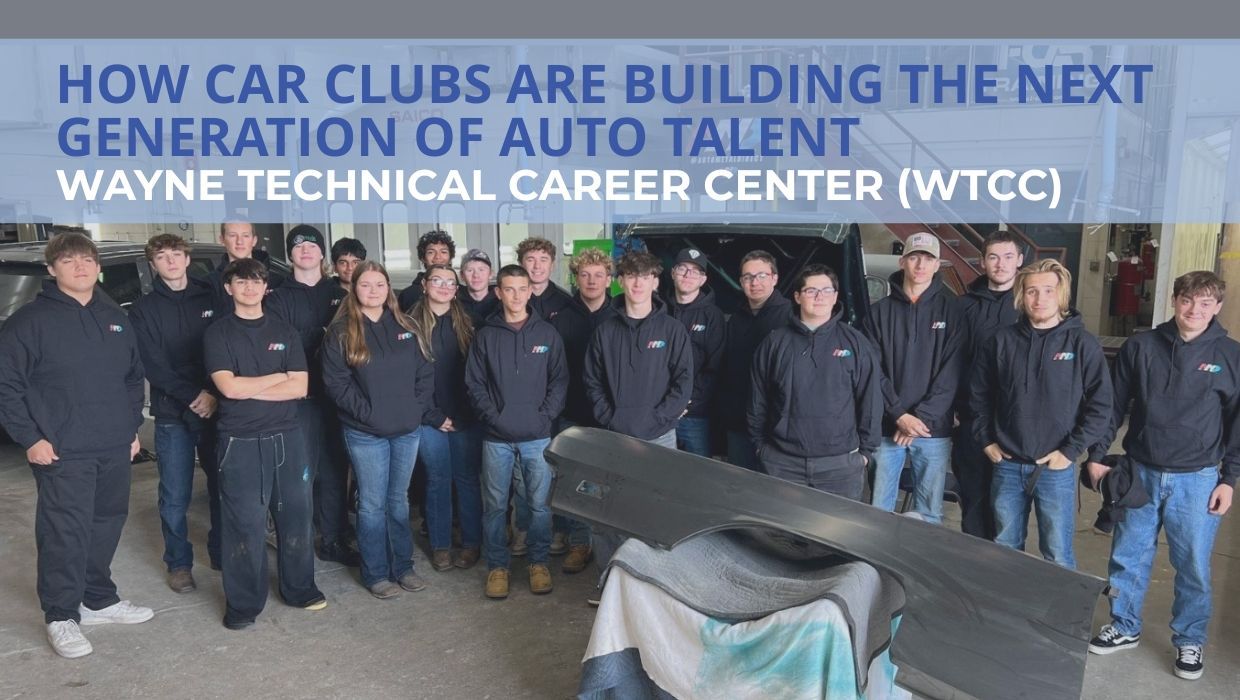
What started as a car show became a mission to inspire young builders. See how students are gaining real skills while helping preserve automotive culture.
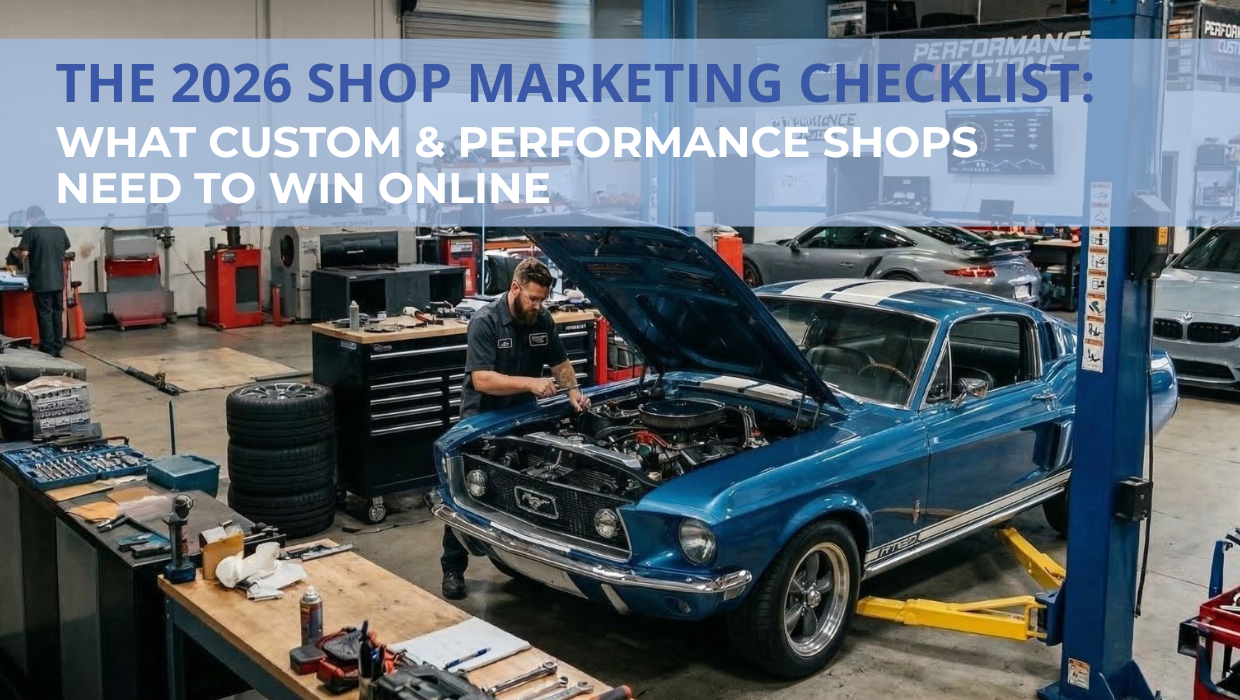
A practical 2026 marketing checklist for custom car, restoration, and performance shops. Learn the essential digital marketing strategies every automotive shop needs to increase visibility, generate leads, and win more builds online.
Trust isn't a buzzword in the automotive aftermarket, it's currency. Discover how successful shops build loyalty, earn trust, and create lasting customer relationships that fuel long-term growth.