Motorhead Articles

Get Your Marketing in Gear

5 Ways Performance, Restoration, and Custom Shops Can Use AI to Gain a Competitive Edge in 2026

Shanna Cathey • June 11, 2026
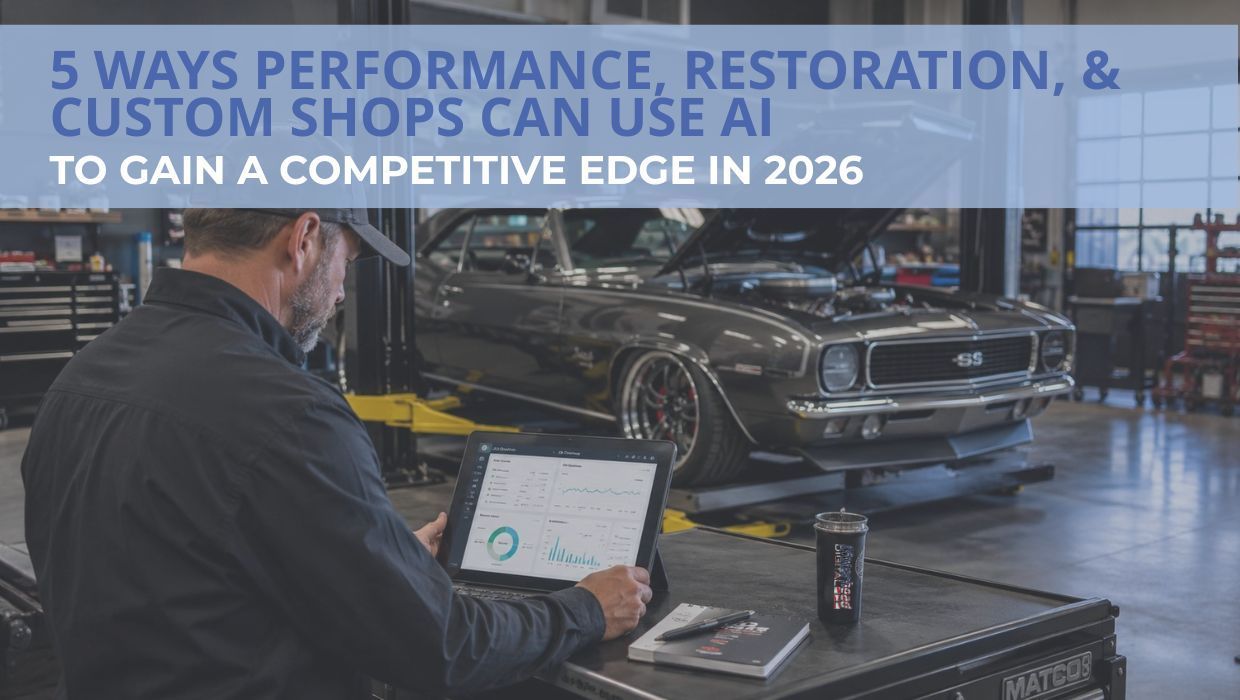
An auto shop owner using AI to enhance  business operations and save time

Let's get one thing straight: AI is not coming for your skilled techs, fabricators, painters, or builders. It is not going to set your valvetrain geometry, figure out why that SBC is pushing coolant, wire a custom harness, or tell you whether that unibody is worth saving. Those calls still belong to the people who have spent years developing the instincts to make them.


What AI can do is to help your shop run tighter, respond faster, market smarter, stay visible, and stop letting good leads and good customers fall through the cracks because there are only so many hours in a day.


The real opportunity in 2026 is not using AI because everyone is talking about it. It is used to clear the bottlenecks that are eating up your time and your team's attention, so more of those hours go toward the work that actually requires expertise. Here are five ways to make that happen.


1. Respond to Leads Faster: Before They Call the Next Shop Down the List

In the specialty automotive world, a lead is rarely exclusive. Someone shopping for a ground-up restoration, a built motor, or a full custom fabrication project is going to reach out to two or three shops, or more. They are comparing response time just as much as they are comparing capabilities and reputation.


AI-powered CRM tools can acknowledge a lead the moment a form is submitted, ask smart follow-up questions about the project year, make, model, scope, timeline, budget range, and route the inquiry to the right person on your team before the workday even starts. No more leads sitting in an inbox overnight while another shop already has a phone call scheduled and a follow-up email on the way.


The best setups still feel like your brand. The auto-response should not sound like a chatbot. It should sound like your shop: direct, knowledgeable, and ready to have a real conversation. AI handles the speed and the consistency. You still own the relationship and the close.


The edge: The shop that responds first with a clear next step usually wins the conversation, even if they are not the cheapest option in the market.


2. Turn What You Already Know Into Content That Earns Trust

Here is something most shops are sitting on and not fully using: years of documented builds, solved problems, hard-won technical knowledge, and customer questions that their ideal customers are actively searching for online.


That teardown on a matching-numbers Chevelle. The fuel system solution you finally cracked on a customer's pro-touring build. The cylinder head question you answer on the phone four times a week. The explanation of what a full rotisserie restoration actually involves that you give every new customer during the first consultation. All of it is content, and AI can help you turn that raw material into blog posts, email topics, FAQ pages, and social captions without starting from scratch every single time.


The rule is simple, though: AI drafts, your team reviews. Automotive customers, especially the ones spending real money on custom and restoration work, can tell immediately when content was written by someone who has never touched a car. The accuracy, the terminology, the way a problem gets described, it all has to be right. Use AI to save time on the writing, not to replace the knowledge and credibility behind it.


If you are not sure where to start building out your content, our posts on building your online presence and social media strategy for auto shops are good starting points.


The edge: Shops that document and explain their work build more trust before a customer ever picks up the phone or fills out a form.


3. Get Found in Search and in AI-Generated Answers

Search has changed, and it is still changing. Customers are still using Google, but they are also getting AI-generated summaries, map pack results, and conversational answers that draw on whatever content search engines and AI tools deem most relevant and credible. Your website cannot just exist. It has to show your experience and expertise and clearly answer the questions your customers are actually asking, and in this industry, those questions are specific:


  • How much does a full classic car restoration cost?
  • What is involved in an LS swap on a first-gen Camaro?
  • How long does a rotisserie restoration take from start to finish?
  • What should I look for when choosing a custom fabrication shop?
  • Is it worth restoring a car with significant frame damage?
  • What is the difference between a frame-off and a frame-on restoration?


AI can help you identify which questions your ideal customers are searching most often, and from there you build the pages, posts, and FAQ sections that answer them directly and thoroughly. This is what supports both traditional SEO and answer engine optimization, also called AEO, which is simply a way of saying your content is structured so AI tools can read it, understand it, and show it to the right person at the right moment in their decision process.


We covered how this fits into a broader marketing strategy in The 2026 Shop Marketing Checklist.


The edge: The shops that are answering real customer questions online become the ones customers already trust before the first conversation ever happens.

4. Communicate Like a Shop That Has Its Act Together

Long-term restoration and custom build projects are relationship businesses. A customer handing over a numbers-matching muscle car, a family heirloom truck, or a vehicle they have been chasing for twenty years is making a trust decision, not just a transaction. And nothing erodes that trust faster than going quiet mid-project.


Most shops lose real time each week answering the same questions over and over. Project timelines, deposit confirmations, parts status updates, photo requests, payment reminders, pickup scheduling. AI and automation can handle a significant portion of that communication in the background: appointment confirmations, estimate follow-ups, milestone updates, review requests after a job is complete, and re-engagement emails for past customers who have gone cold.


Done right, none of it feels automated. It feels like a shop that is on top of things and respects the customer's time and investment, which in this industry is its own competitive advantage. The shops that communicate well keep customers, get referrals, and build the kind of reputation that takes years to shake.


For more on how trust and communication drive long-term growth, check out Trust, Loyalty and Relationships: The Real Shop Advantage.


The edge: Customers do not expect perfection. They expect to know what is going on. Consistent, professional communication wins repeat business and word-of-mouth referrals.

5. Stop Guessing What Is Working in Your Marketing

Most shop owners have a gut sense of where their best customers come from. That instinct is valuable and usually at least partly right. But gut instinct only gets you so far when deciding where to put your time and marketing budget.


AI tools can help you make sense of data that is already sitting in your website analytics, email platform, CRM, and social accounts. Which services are driving the most qualified leads? Which pages are getting traffic but not converting? Which email subject lines are actually getting opened? Which social posts are creating real interest versus just likes from other shops in your feed? Where are potential customers dropping off before they ever fill out a contact form?


For a performance or restoration shop, this kind of clarity matters more than most people realize. Marketing should not just look good. It should bring in better-fit customers and more profitable work. When you can clearly see what is driving results, you can stop spending money on what is not and double down on what is actually moving the needle.


We have a full post on using analytics to improve your shop marketing if you want to go deeper on the specifics.


The edge: Shops that understand their platform analytics make better decisions. And better decisions made consistently compound into real, sustainable growth.

The Bottom Line

AI is not the strategy. It supports the strategy.


The shops that will benefit most in 2026 are not the ones using AI to replace their voice, their expertise, or their reputation. They are the ones using it to sharpen the systems around all of that, so more of the right customers find them, hear back from them quickly, and trust them before they ever walk through the door or pick up the phone.


If you want to understand how AI fits into day-to-day shop operations beyond just marketing, we covered that side of things in AI's Place in Automotive Aftermarket Shops Part 1 and Part 2.


The craftsmanship still has to be there. The reputation still has to be earned. AI just helps more of the right people find it.


If you're ready to shift your shop's website, email marketing, or social media into high gear, contact Motorhead Digital today. Let's build a strategy that drives real traffic, and real builds straight to your shop doors.


Professional headshot of a woman with long, wavy light-brown hair wearing black-framed glasses and a dark blazer over a light blouse, smiling gently against a warm, rust-colored background.

About the Author


Shanna Cathey is a Colorado native with over a decade of experience in the powersports industry and is a lifelong Motorhead whose roots just happen to be on two wheels instead of four. She currently rides a 2021 Harley-Davidson Softail Heritage 114 and firmly believes most life decisions improve after a good ride.


Shanna brings hands-on experience in powersports sales and service, lead management, business development, and after-sales support, paired with a strong background in CRM systems, sales funnels, email marketing, and content creation. At Motorhead Digital, she helps custom shops and performance brands turn real-world grit into digital horsepower through smart automation, clean design, and copy that actually converts.

By Shanna Cathey August 20, 2026
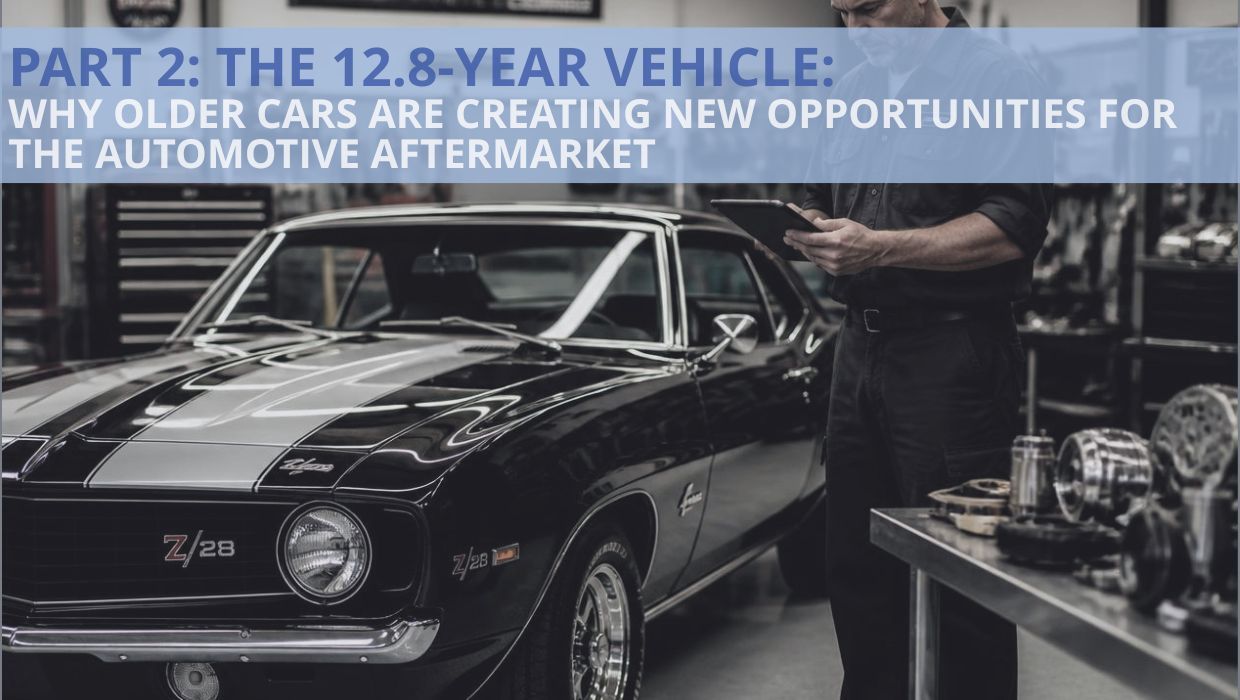
The average age of a light vehicle in the United States is now 12.8 years, according to the latest publicly released national benchmark from S&P Global Mobility (the firm completed its spinoff into an independent company, now called Mobility Global, in July 2026, though its research is still widely cited under the S&P Global Mobility name). For the automotive aftermarket, that means a growing population of vehicles entering the years when maintenance, repair, replacement parts, diagnostics, and upgrades become increasingly important. The American vehicle fleet is getting older, and it's changing how aftermarket businesses need to think about growth. S&P Global Mobility reports that the U.S. fleet has grown to 289 million light vehicles in operation. Passenger cars now average 14.5 years old, while light trucks average 11.9 years. The high-volume 2015 through 2019 model years are also moving deeper into the aftermarket service cycle as more vehicles leave their original warranty coverage. For independent repair shops, parts suppliers, restoration specialists, performance businesses, and custom builders, the opportunity is substantial. It is not automatic, however. The businesses positioned to benefit will be the ones prepared to service an aging but increasingly technical vehicle population. Why Does an Aging Vehicle Fleet Create Aftermarket Opportunity? Older vehicles generally require more frequent maintenance and a wider range of repairs. Wear items reach the end of their service life. Seals, wiring, suspension components, cooling systems, electronics, and emissions equipment begin to demand more attention. Owners also start making larger decisions about whether to repair, restore, upgrade, or replace the vehicle. S&P Global Mobility identifies vehicles between six and 14 years old as a prime range for aftermarket service. Its research indicates that vehicles in this age range, along with even older models, are expected to represent at least 70% of vehicles in operation for several years. The newest industry forecast reinforces that opportunity. In June 2026, the Auto Care Association and MEMA Aftermarket Suppliers projected that the U.S. light-duty automotive aftermarket would grow 5.2% in 2026. The market is expected to surpass $500 billion by 2029, supported by the aging fleet, increasing vehicle complexity, and continued consumer reliance on personal transportation. Why Are Americans Keeping Vehicles Longer? High new and used vehicle prices and broader economic uncertainty continue to influence replacement decisions. Many drivers would rather invest in a vehicle they already know than take on the cost of replacing it. Modern vehicles are also durable enough to remain useful well beyond the point when earlier generations of owners may have traded them. From the shop side, the pattern is familiar. A customer says, "I just need it to last another year." Then one year becomes three. The truck remains essential to the business. The SUV stays in the family. The daily driver becomes a project because the owner would rather improve it than start over with another payment. This is where the aftermarket becomes essential. It gives vehicles a second, third, and sometimes fourth life. A 12-Year-Old Vehicle Is Still a Modern Vehicle An older fleet does not mean a simpler repair environment. A 12-year-old vehicle can still contain numerous control modules, emissions equipment, infotainment systems, electronic security features, networked sensors, and early-generation advanced driver-assistance systems. Shops must continue investing in technician training, scan tools, software subscriptions, service information, programming equipment, and calibration procedures. This is also why the Right to Repair issue remains relevant. As Motorhead Digital covered in Part 1: The Right to Repair Fight and the Freedom to Fix Victory , recent federal action created meaningful progress around emissions-related repair information and aftermarket emissions compliance. However, broader questions involving telematics, proprietary software, cybersecurity access, and non-emissions repair data remain unresolved. Older vehicles need more than replacement parts. They need judgment. They need technicians who understand the vehicle as a complete system and can distinguish a smart repair from a poor investment. They need suppliers with accurate fitment data and specialists who can combine traditional craftsmanship with modern diagnostic discipline. Which Aftermarket Businesses Stand to Benefit? Independent mechanical shops can benefit from increased demand for preventive maintenance, diagnostics, suspension work, cooling-system repairs, electrical repairs, emissions service, and age-related wear components. Parts manufacturers, distributors, and retailers can benefit from sustained demand across a wider range of model years. Accurate fitment data, inventory planning, and technical support become even more important when the active vehicle fleet spans decades. Restoration, performance, and custom shops have another opportunity. As replacement costs remain high, some owners will choose to improve vehicles they already own through: Drivability upgrades Modernized electronics Braking and suspension improvements Engine work Interior restoration Full custom or restoration builds The aging fleet is also increasingly diverse. S&P reports that battery-electric vehicles average 3.7 years old, plug-in hybrids average 4.9 years, and traditional hybrids average 6.4 years. Those vehicles will create additional service opportunities as they age, but they will also require new training, safety processes, tooling, and parts knowledge. Trust Becomes More Important as Repair Decisions Get Bigger The owner of a 12- or 15-year-old vehicle may be deciding whether to spend several thousand dollars on a vehicle with limited market value but significant practical or emotional value. That customer is not only buying a repair. They are buying confidence in the recommendation. Shops need to explain: What is urgent What can wait What may fail next Whether the proposed work makes financial sense Which repairs can be completed in phases What can be upgraded Clear inspections, photos, videos, written estimates, and phased repair plans help customers make informed decisions without feeling pressured. Motorhead Digital's Trust, Loyalty & Relationships: The Real Shop Advantage explains why trust often begins before a customer enters the shop. People study reviews, websites, project photos, and social media to decide whether a business looks credible, transparent, and capable. Pricing communication matters too. Older vehicles can expose hidden problems, discontinued parts, long lead times, and changing supplier costs. Tariffs, Pricing Pressure, and How Auto Shops Can Communicate Value Better offers practical guidance for explaining those variables without apologizing for charging appropriately.
Level 7 Motorsports Rebrands Its Parts Store as Spirit and Speed
By Barry Alt August 5, 2026
Level 7 Motorsports rebrands its performance parts store as Spirit and Speed, featuring an expanded parts lineup and a refreshed Shopify website.
A smiling automotive technician in a repair shop raises both fists beneath a banner.
By Shanna Cathey & Barry Alt July 22, 2026
The automotive right to repair battle just saw a massive victory with the Freedom to Fix memorandum. Learn how independent shops can leverage this to win.
Macro shot of a workord : “Tariffs, pricing pressure, & how auto shops can communicate value better”
By Shanna Cathey May 1, 2026
Tariffs are squeezing the specialty automotive aftermarket. Here's how restoration, custom build, and performance shops can communicate pricing clearly, build customer trust, and protect their businesses as costs climb.
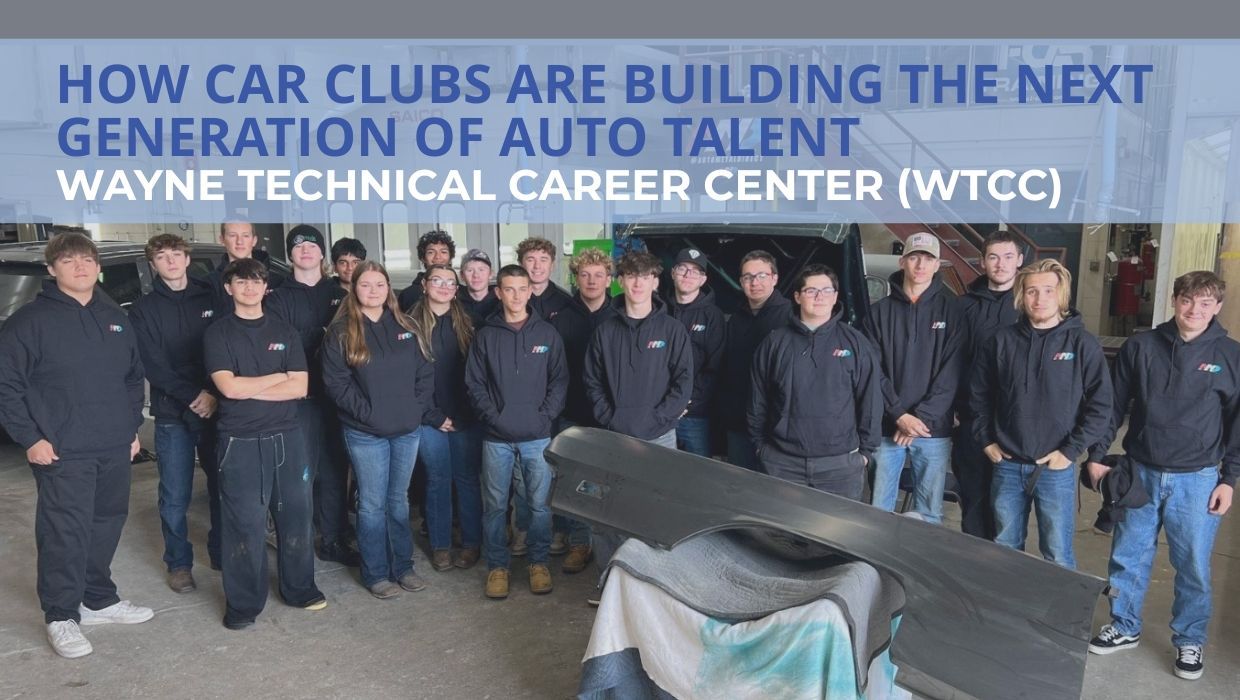
Students in Wayne Technical Career Center auto shop posing in hoodies around car body panel
By Keith Bourgeois April 10, 2026
What started as a car show became a mission to inspire young builders. See how students are gaining real skills while helping preserve automotive culture.
Automotive technician working on a classic blue Ford Mustang inside a professional performance shop
By Shanna Cathey March 13, 2026
A practical 2026 marketing checklist for custom car, restoration, and performance shops. Learn the essential digital marketing strategies every automotive shop needs to increase visibility, generate leads, and win more builds online.
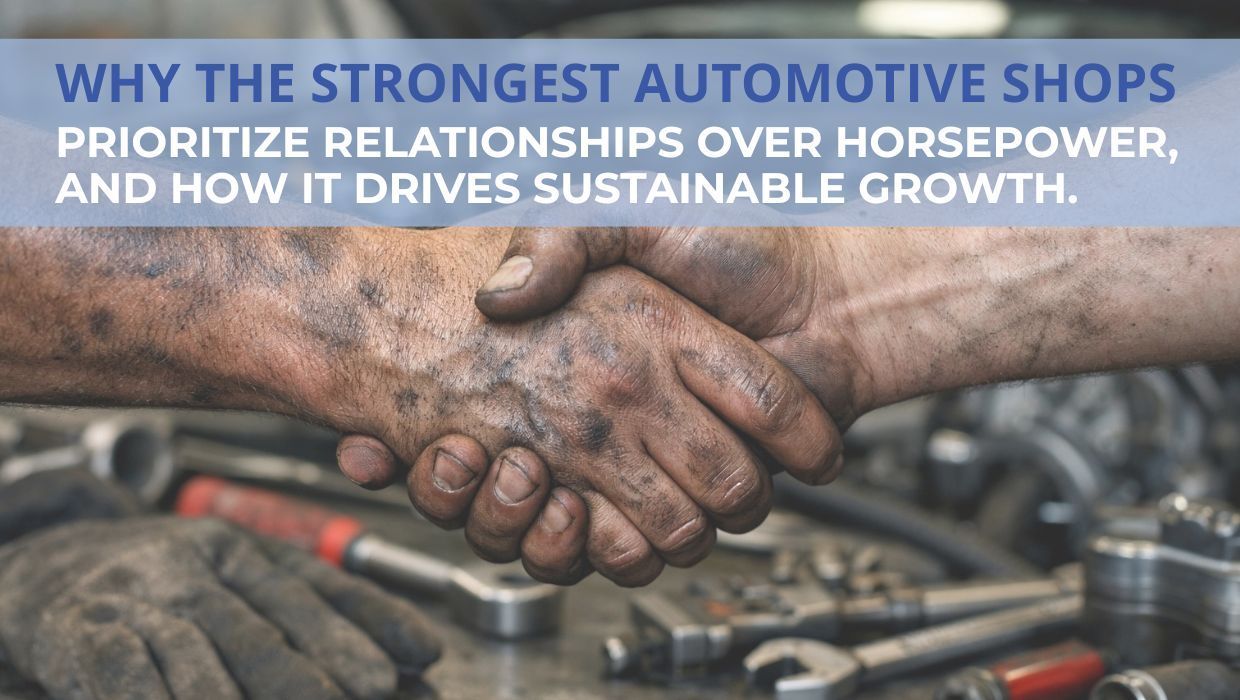
Two dirty hands shaking, text: Automotive shops prioritize relationships for growth.
By Grace Caple February 16, 2026
Trust isn't a buzzword in the automotive aftermarket, it's currency. Discover how successful shops build loyalty, earn trust, and create lasting customer relationships that fuel long-term growth.
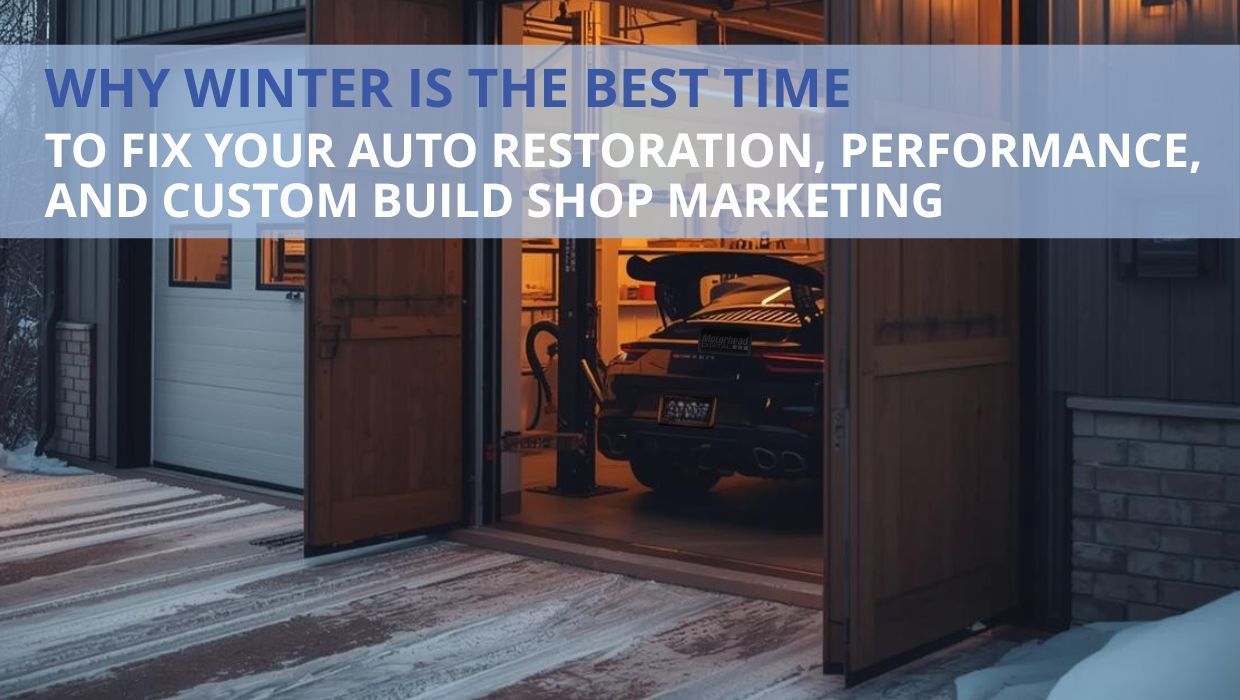
Image of Porsche in a performance shop in the winter
By Shanna Cathey & Barry Alt January 21, 2026
Your shop may be slow in the winter, but it's the perfect time to fix your Auto Restoration, Performance, and Custom Build shop marketing. Learn why winter is ideal for systems, strategy, and growth.
AI’s Place in Automotive Aftermarket Shops - PART 2
By Barry Alt December 13, 2025
How artificial intelligence can power your company’s engine behind the scenes.
Your Complete Guide to AI Tools for Auto Shops | The Shop
By Barry Alt October 23, 2025
See how AI for auto shops can handle inventory, scheduling, diagnostics, and more – so your crew can spend less time on paperwork and more time in the garage.
Show More