
Motorhead Articles
Get Your Marketing in Gear
Want More Local Customers? Enhance Your Local SEO Performance
Barry Alt • November 27, 2019
Good local SEO (search engine optimization) is essential for modern automotive performance, restyling and restoration shops.


Above: Claiming your Google My Business Page.

Above: Google listings for "Auto performance shops near Indianapolis”
SEO techniques are used to increase the amount of traffic to your website by reaching a high rank on the results page of a search engine.
When someone searches on Google for your service or product, you want to appear in the top 5 results on the first page (just think about the last time you scrolled through to the 12th page of Google results and went with a company there - we’re going to go out on a limb here and say you’ve never done that).
There are many different types of SEO techniques, including improvements to your website and getting your website mentioned (and linked to) from well-respected websites in your niche.
Good local SEO (search engine optimization) is essential for modern automotive performance, restyling and restoration shops.
Unlike standard SEO, which focuses on ranking on search results across the country, local SEO makes appearing on search engine results in your specific location priority. When implemented correctly, local SEO can help you see a serious increase in local customers.
By taking a look at the following local SEO tips and tricks, you can get your business ranking higher on Google and get more local customers through your door.
1. Create A Google My Business (GMB) Account
To get started on Google My Business, you’ll need to claim your business. Search for your business on Google, once you’ve found your GMB page look for the “Own this business?” button on your listing. If Google has created a listing for your business, you can click this link and claim your Google My Business Page.
Don’t worry about paying any fees as this service is absolutely free. Claiming (or creating) your GMB page will enable your business to show up higher on Google’s search results and also on Google maps. If a business has a physical address you can bet Google has already created a GMB page for the business.
Already have a Google My Business claimed and set up for your business? Well then there is only one thing you have to do: verify the address, phone number, hours of operation and optimize all the business info that Google allows you to add or update.
This means providing Google with up-to-date information that is accurate and easy to understand - the more recent your updates, the better, as Google loves constant, consistent updates.
Pro tip:
Don’t forget to add your logo, business description, business categories that describe what your business does, as well as the services that you offer and plenty of images to show off your business premises in your Google My Business listing. The more you add, the more Google will love you.
Google My Business is a great way to encourage your customers to review your services online. Try to respond sincerely to any customer reviews you get - it’ll help boost your presence online significantly.
2. Encourage Reviews Online
Getting your loyal customers to write reviews for your business isn’t just something that will increase your local SEO rankings, it will also encourage more local buyers to come to you for their needs.
Here are some useful tips to help you encourage your customers to leave a review:
- Ask for a review in-person after you’ve finished their service or they’ve completed their purchase.
- Send a post-purchase email or text, asking if the customer would write a review. You can also try adding an incentive, like a percentage off their next service/purchase.
- Make sure that the customers you’re asking are happy with your services and you’re not approaching a dissatisfied customer. If you do get a neutral or negative review (hey, it happens to the best of us), the best thing you can do is respond in a positive, professional manner.
- Respond to ALL existing reviews on your website, Google My Business profile or social media accounts in a professional way. Thank anybody who gives you a review and address any complaints - try to turn an unhappy customer into a happy one.
Reviews are incredibly powerful in the decision making process when it comes to competing against local competitors. In this example, we searched for “Auto performance shops near Indianapolis” - the current top three listings that show up all seem pretty similar, so what’s the differentiator that makes the customer choose one over the other two? The multiple 4-5 star reviews! Even though Stage 1 Tuning is listed third they may get more customer visits to their site due to the larger number of reviews compared to the top two in this search.
Here’s some key automotive review data from the BrightLocal Google Reviews Study, 2018.
- 88% of automotive businesses have Google reviews
- Automotive businesses have an average of 27 Google reviews
- On average, automotive businesses have 4.4 stars
*These findings are based on 1,866 automotive businesses found using 97 related keywords.
PRO TIP: There are a number of reasonably priced automated solutions available that can make it easier to ask your customer for reviews, as well as make it easier for your clients to give reviews.
3. Optimize Your Website For Mobile Devices
As things shift to mobile the number of people that search for things on a desktop or laptop nowadays is decreasing. In fact, 2018 saw 52.2% of all website traffic worldwide generated through mobile phones, up from 50.3 percent from the previous year (Statista, 2019).
If your customers want to look something up, they’ll just take out their phone and do a quick search - especially if they’re on the road and looking for your location. This is why it’s so very important to have your website built and optimized for phones and tablets - you want to reach as many people in your local area as possible and having a mobile-ready website is one of the first steps.
How do you do this?
- If you’re not sure on your site’s mobile-readiness, first test it. An easy way to tell is to view it on a smartphone and if you need to zoom in to read any text, then it’s probably not mobile-ready.
- Make sure your website loads in under three seconds.
- Use mobile friendly fonts that are easy to read.
- Use a combination of text, images and video to convey important information. No one likes having to read through a novel just to get to someone’s list of products and services!
- Test and if needed, re-design your pop ups to work properly on a mobile phone - there’s nothing more frustrating than a pop up you can’t click out of.
- Make sure your phone number is easy to find and click to call is enabled (which means people can click on your phone number and their phone will call you automatically)
- Be sure to have a map or your full location address on your site so people can find your location once they’ve found you in search
PRO TIP:
Always be thinking about your target audience and how they may be using your site. As time goes by more people from all age groups move to smartphones and tablets and live on their mobile devices, if your site does not load fast and work well on their devices they will move on.
4. Take Advantage Of Online Business Directories
Often overlooked by many in the industry, getting featured on online business directories commonly known in the search industry as citations are incredibly important to ranking high on local searches. Directories like Bing Business listings, Yelp, Yellow Pages, Apple Maps Connect (Yes you can get your business listed on Apple Maps) and many more are a service you can really take advantage of without much cost to your company.
Make sure that when listing your business in these directories, your profile contains at least the following basic NAP (Name, Address and Phone) information:
- Accurate business name (How you would like it spelled across the Internet)
- The correct address and phone number (consistent over all directories you use)
- A link back to your website
- An informative description of your business
- A list of business categories/services/products you supply
- Your business description
- Your logo
PRO TIP:
One generally unknown area of the business listings world are data aggregators listing.. Data Aggregators are companies which collect data on local businesses such as their name, address, phone number, opening hours etc. in order to present it elsewhere online.
These data aggregation companies verify and clean the data to ensure it’s accurate, and then they sell it (lease it) to other companies that need data about local businesses. Data Aggregators are very important when it comes to getting listed on niche based directories or apps.
As part of our popular Marketing Maximizer service, we’ve seen customers get amazing results by embracing the power of Citations. Not only are they ranking higher for their important keyword phrases in local searches, but they’re also seeing increases in referrals and traffic from organic search. When people are looking for local automotive-related products and services, online directories are one of the first listings in search that may show up in keyword searches your business even if your site does not.
5. Create Localized Content
What really helps grab the attention of local customers is writing localized content.
You can create localized content by writing blog posts about events that have happened in your area or around local news stories. You can also write review products you use in your business, write about projects your working on for your customer and how you helped them realize their dreams or how you can educate others on how you might perform a unique task in you business.
Not a fan of blogging? Create videos about local charities or causes that your company supports and create a sense of local community and solidarity with your website’s visitors. Anything you can do to get noticed, build awareness and get noticed by current and future customers can be a huge benefit to your local business.
PRO TIP:
You may not know this, but YouTube is both a Social Media channel and video search engine! The more videos you develop, optimize and post to your YouTube channel, the more awareness you build for your business.
As with most things to do with Google, consistency is key. If you want to attract more local customers, you need to consistently publish new content online that’s targeted to your audience. Show off how great your service is. Promote reviews left by happy customers. Get your name out there. The people in your local area looking for your services will thank you!
About The Author
With over 20 years of experience, Barry Alt combines his passion for everything automotive with his ability to strategize in the digital world to bring you a full service digital agency just for automotive professionals: Motorhead Digital.
You can contact Barry at (585) 766-9785 or customercare@a2zeds.com.

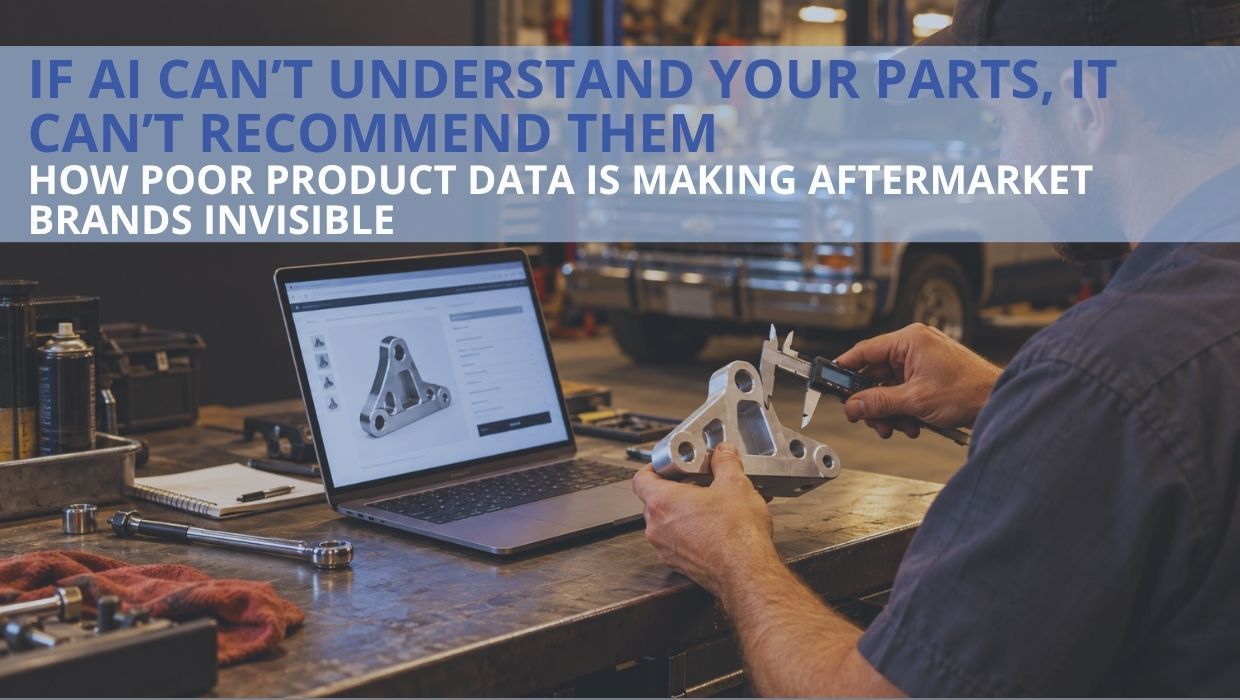
Incomplete fitment and product details can limit aftermarket visibility. Learn how better data, FAQs, and installation guides support AI search and sales.

New data shows drivers want physical buttons back. Here's what the analog car comeback means for restoration, custom, and performance shops.
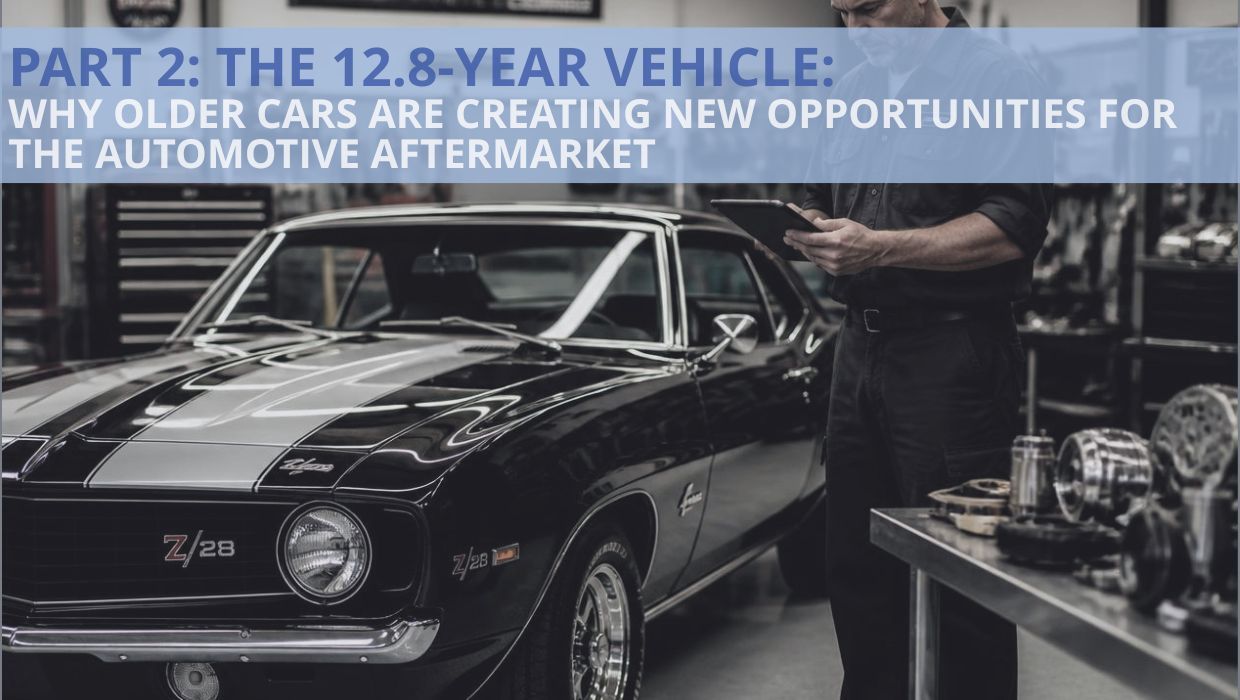
U.S. vehicles now average 12.8 years old. Learn how the aging vehicle fleet is creating new opportunities for repair shops, parts suppliers, and the automotive aftermarket.

Level 7 Motorsports rebrands its performance parts store as Spirit and Speed, featuring an expanded parts lineup and a refreshed Shopify website.
The automotive right to repair battle just saw a massive victory with the Freedom to Fix memorandum. Learn how independent shops can leverage this to win.
AI won't replace your technicians, but it can make your shop faster, sharper, and more visible. Here are 5 practical ways performance, restoration, and custom shops can use AI in 2026.
Tariffs are squeezing the specialty automotive aftermarket. Here's how restoration, custom build, and performance shops can communicate pricing clearly, build customer trust, and protect their businesses as costs climb.
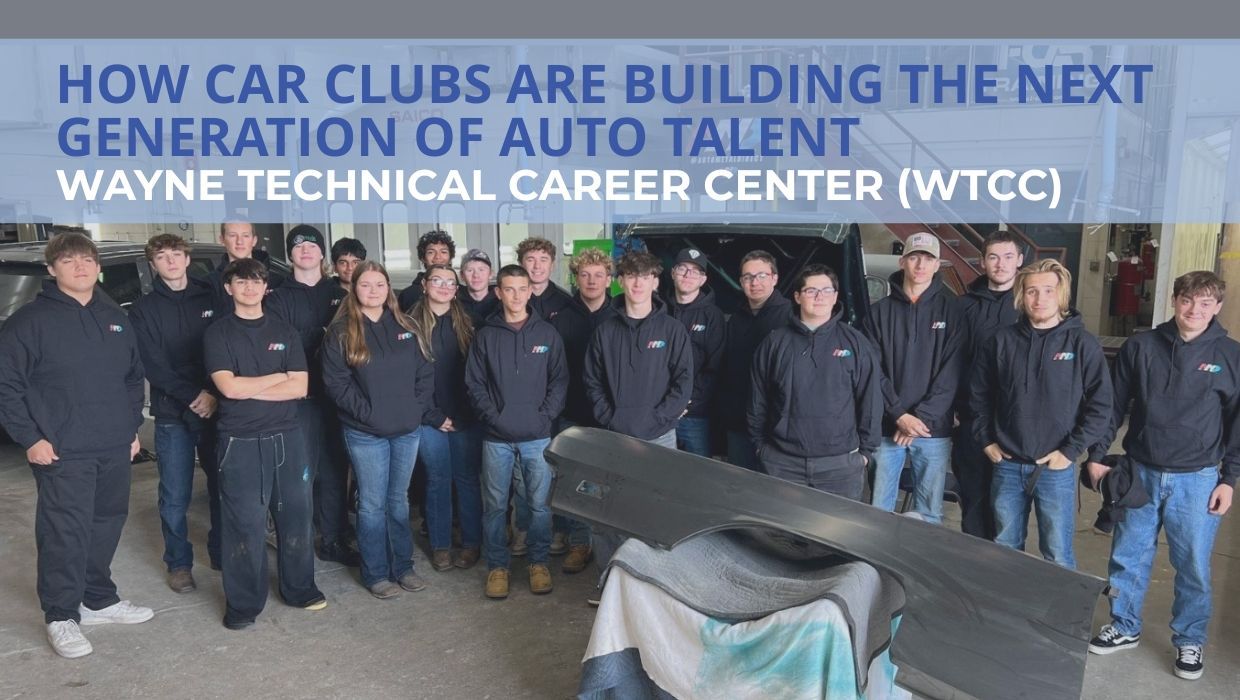
What started as a car show became a mission to inspire young builders. See how students are gaining real skills while helping preserve automotive culture.
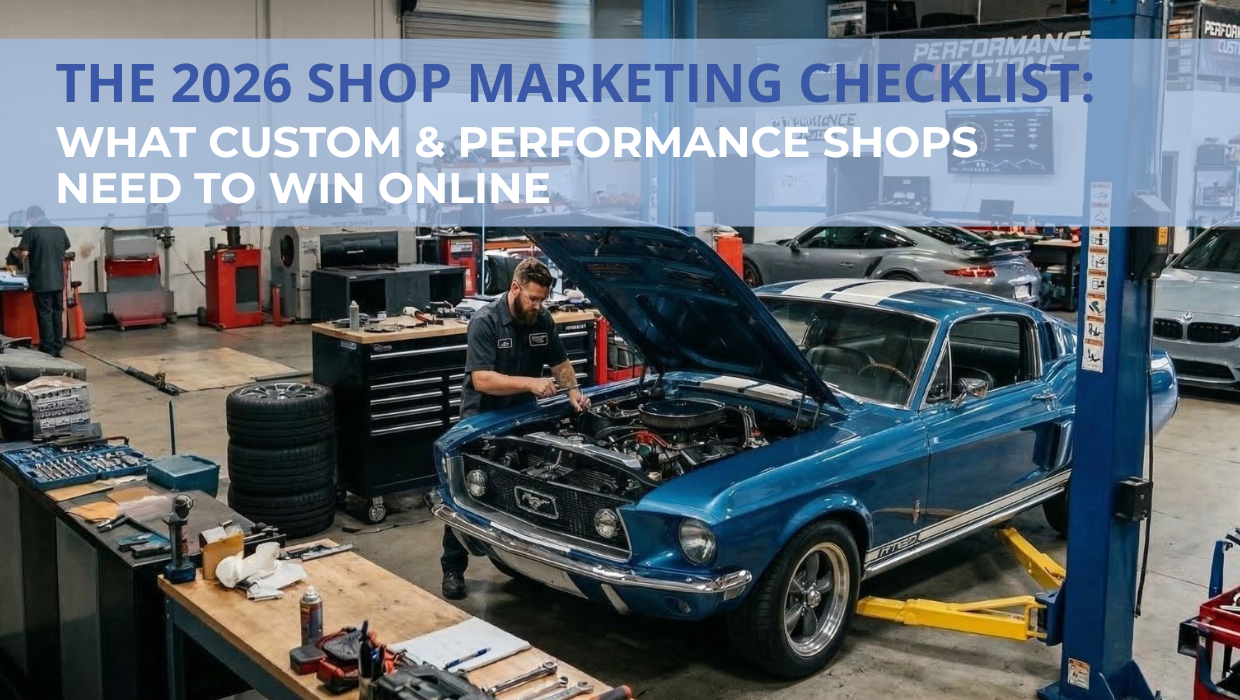
A practical 2026 marketing checklist for custom car, restoration, and performance shops. Learn the essential digital marketing strategies every automotive shop needs to increase visibility, generate leads, and win more builds online.
Trust isn't a buzzword in the automotive aftermarket, it's currency. Discover how successful shops build loyalty, earn trust, and create lasting customer relationships that fuel long-term growth.