
Motorhead Articles
Get Your Marketing in Gear
Instagram and Your Auto Shop: 5 Mistakes to Avoid
Barry Alt • June 24, 2020
With so many businesses using Instagram to get more customers, it's more important than ever to do the right things and avoid making common mistakes that could cost you followers.
Instagram is continuing to grow in popularity in the auto industry and with so many businesses (and customers) flocking towards social media it’s important to know how best to work it.
With so many businesses using Instagram to get more customers, it's more important than ever to do the right things and avoid making common mistakes that could cost you followers.
So, if you want to:
- Gain more followers
- Increase your audience engagement
- Drive more traffic to your website
Then you’ll need to avoid these Instagram mistakes in your posts.
Instagram Mistake 1: Not optimizing your bio
This might seem like an obvious point to you, but you’d be amazed by the number of people who don’t optimize their social media bios.
Not optimizing your bio on your Instagram page can cause it to become lost amongst the already-crowded space on the platform.
Writing a great bio gives your audience an insight into what your business is like.
Think of it as an introduction to your business.
When you don’t introduce yourself to somebody after meeting them for the first time it’s considered rude: it’s the same with Instagram.
Not showing your audience who you are can make you seem standoffish and unwelcoming.
When it comes to your bio you want to be able to show your audience who you are and what you do in a couple of sentences.
You don’t have much space so make sure you leave them with something enticing.
It’s a good idea to add some sort of social proof in your bio to show your visitors that you’re a trusted source and can provide them with high-quality work.
When adding a CTA (call to action) on your Instagram bio, remember that you can also leave a link to your website to really make the most of that chance to attract new customers.
Instagram is not Facebook, so any links you leave in your posts are unfortunately not clickable. If you want to link to a webpage or any other information keep the link very short or put the link in your bio. If you put the link in your bio make sure to tell your audience where to find it in your post - otherwise they won’t know where to go.
If you’d like to promote a sale or offer it’s a good idea to look into Instagram ads rather than playing around with links.
Instagram Mistake 2: Low quality content
So many people make this mistake!
Instagram is a very visual platform and people use it to gaze at beautiful landscapes, funny videos, awesome cars and just decent content overall.
They don’t want to look at poorly taken photos that are taken in bad lighting or at a weird angle and they certainly don’t want to look at a pixelated image.
With cell phones now having such great built-in cameras, it’s easier than ever to upload high-quality images - and your visitors will be more likely to engage with something that’s actually nice to look at.
Speaking of images, when taking your photos remember that Instagram images are square and can be cropped so you’ll need to think about how you frame your shots.
Holding your phone in landscape mode works best for posts, portrait mode works best for stories.
Make sure your posts are entertaining too!
Nobody wants to scroll through their feed and see irrelevant and boring videos and images.
One of the most important things for any business is telling your story and with Instagram, it's all about the photos (and a little bit of commentary). So, show off your shop and all the cool projects you’re working on. You can even document long term projects over time with posts and story updates.
Finally don’t over-post.
If you post 5-10 images or more in a row within a very short period of time you may risk annoying your followers and causing them to unfollow you.
Give your audience something to enjoy, not something to skip over.
Not sure if your content is good enough?
Look at other accounts in the auto industry and see what their pages look like.
Check out what posts get the most likes and see what resonates with your audience.
A consistent Instagram page always does better than a bundle of messy photographs so don’t be afraid to take down any older posts that aren’t doing very well.
You can always replace them with newer, fresher, and better content.
Instagram Mistake 3: Ignoring engagement
Engaging with your audience is a fantastic way to gain their trust and loyalty.
Instagram actually awards you for interacting with comments and direct messages. It'll see that you’re engaging with certain people and show them more of your content because you’ve developed a relationship with them.
It will also show similar users your content and you have a higher chance of appearing as a suggested page to be followed by them.
So, the more you like, comment on posts and reply to direct messages the more likely you are to improve your presence on the app.
Instagram Mistake 4: Forgetting hashtags
Hashtags are still incredibly important when using Instagram and you should be using them on every one of your posts.
Many people don’t like to use hashtags because they aren’t sure what they should write in them. There’s a simple solution to this though, simply check out what hashtags your competitors are adding to their posts.
Be sure to make note of which posts do the best on their page and see what hashtags they use on them.
Be careful though. Some hashtags are overused and your posts can often get lost in a sea of content.
Try to add hashtags that are unique to your niche within the auto industry. This will help attract the right audience for your page too.
Instagram Mistake 5: Not developing a content calendar
Organizing what and when you should post on your Instagram account can be a difficult task in itself - and that’s before you’ve even taken a photo or come up with hashtags.
Your schedule is already extremely busy with running your shop and talking to clients so thinking about Instagram posts can be a headache if you’re not prepared.
This is why you need to get yourself a content calendar.
With a content calendar, you can organize yourself and figure out what you want to post and when you want to post it months in advance.
As soon as you have your content calendar written out for the year ahead (or even the next 3 months), you won’t have to worry about thinking up posts on the spot anymore.
So, streamline your content by staying organized and on top of things - it’ll make your Instagram journey a little bit easier.
Need help figuring out the best way to get started with Instagram for your auto shop? Get in touch today.
Incomplete fitment and product details can limit aftermarket visibility. Learn how better data, FAQs, and installation guides support AI search and sales.
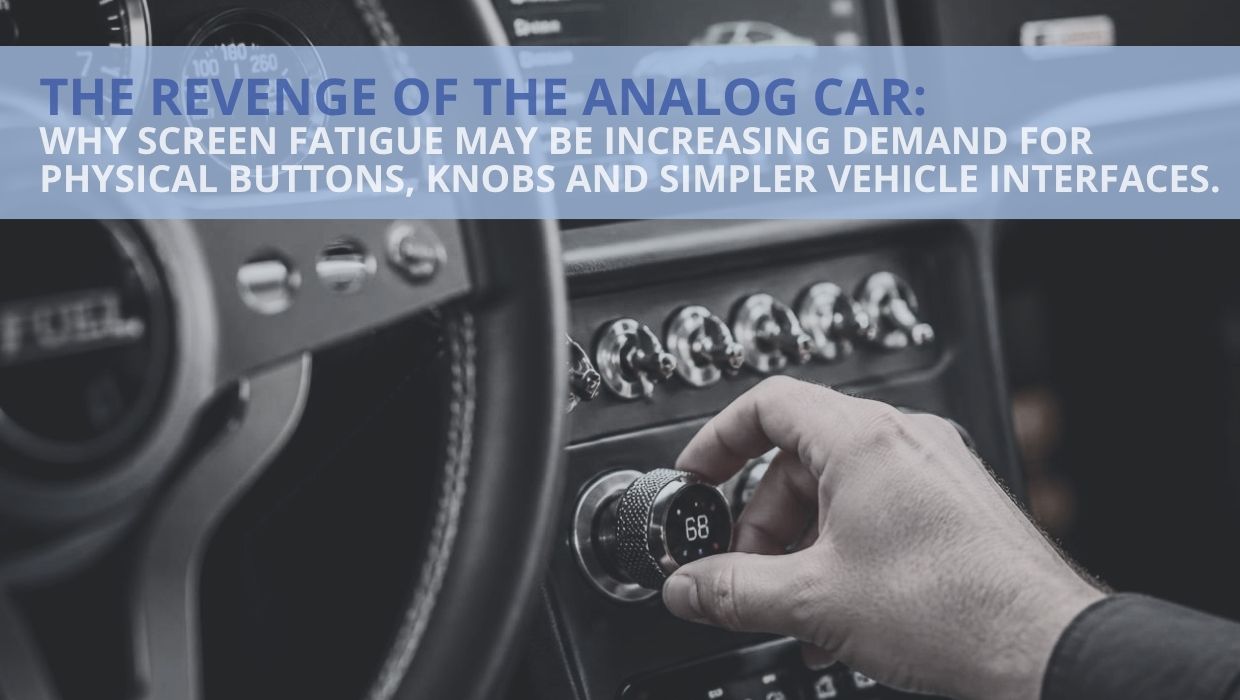
New data shows drivers want physical buttons back. Here's what the analog car comeback means for restoration, custom, and performance shops.
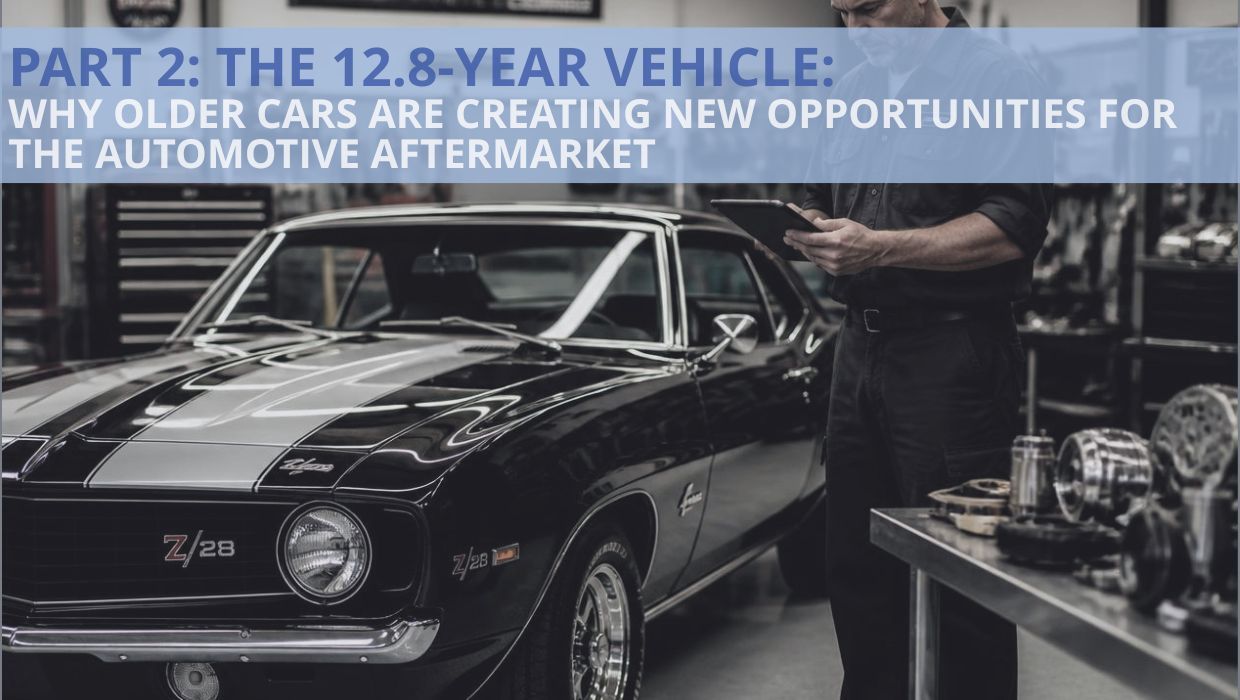
U.S. vehicles now average 12.8 years old. Learn how the aging vehicle fleet is creating new opportunities for repair shops, parts suppliers, and the automotive aftermarket.

Level 7 Motorsports rebrands its performance parts store as Spirit and Speed, featuring an expanded parts lineup and a refreshed Shopify website.
The automotive right to repair battle just saw a massive victory with the Freedom to Fix memorandum. Learn how independent shops can leverage this to win.
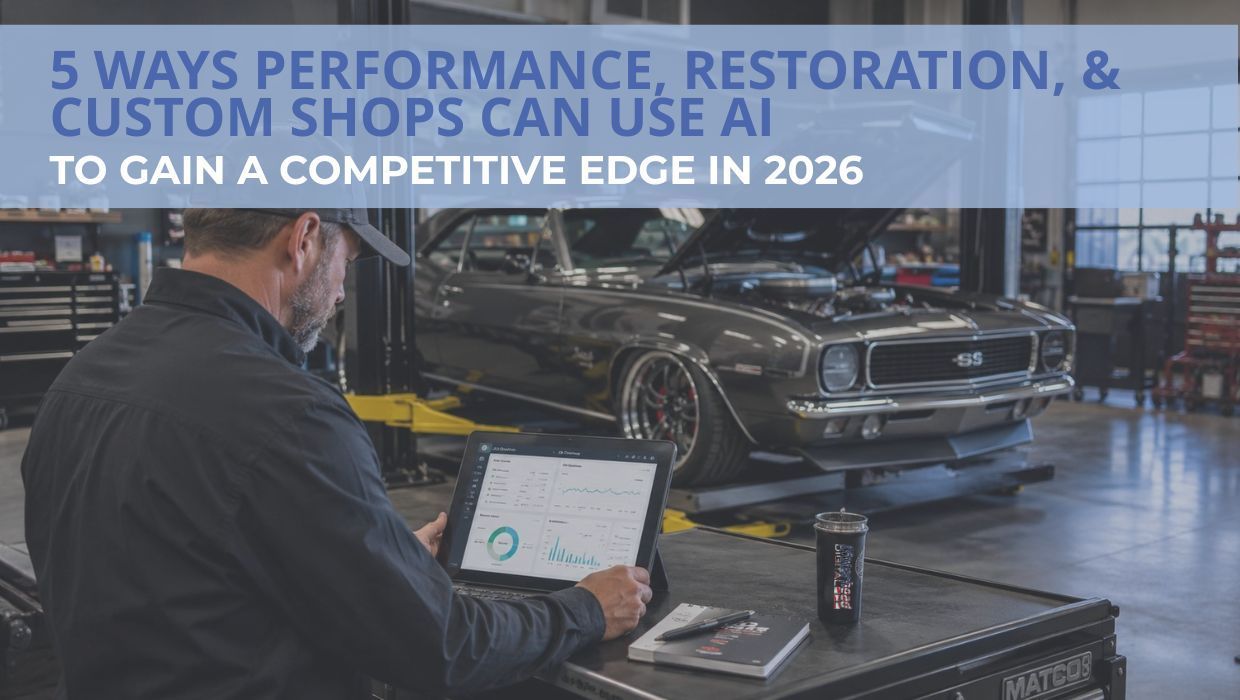
AI won't replace your technicians, but it can make your shop faster, sharper, and more visible. Here are 5 practical ways performance, restoration, and custom shops can use AI in 2026.
Tariffs are squeezing the specialty automotive aftermarket. Here's how restoration, custom build, and performance shops can communicate pricing clearly, build customer trust, and protect their businesses as costs climb.
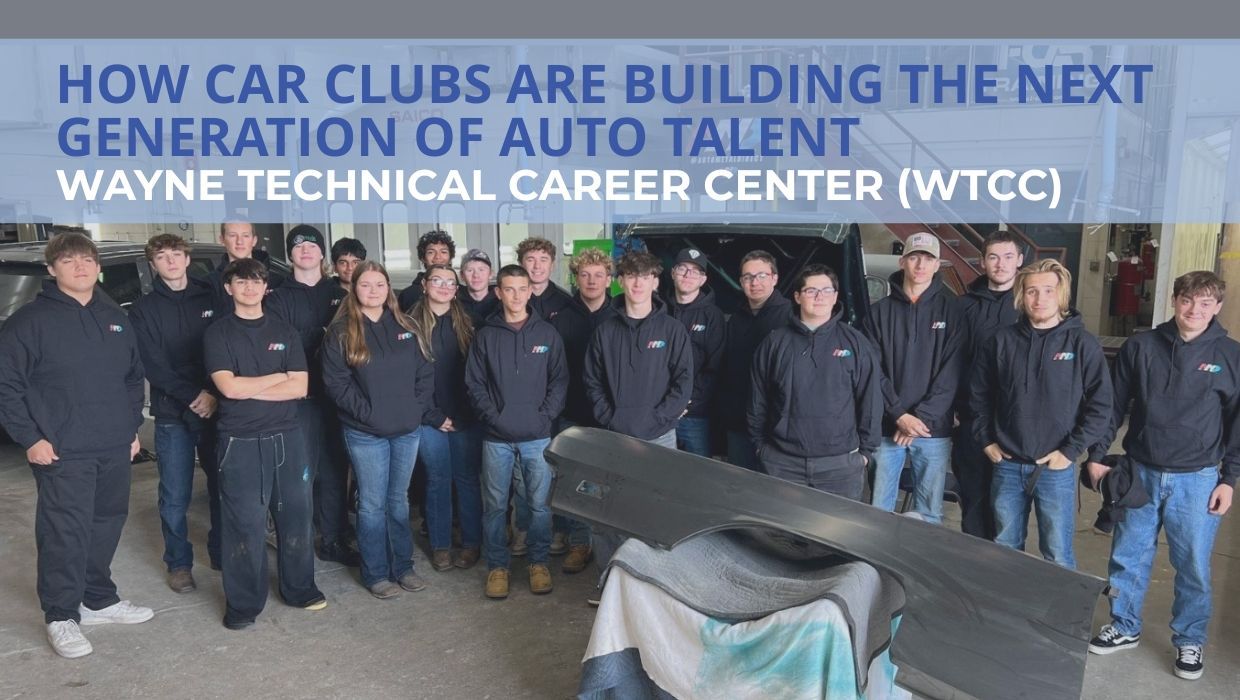
What started as a car show became a mission to inspire young builders. See how students are gaining real skills while helping preserve automotive culture.
A practical 2026 marketing checklist for custom car, restoration, and performance shops. Learn the essential digital marketing strategies every automotive shop needs to increase visibility, generate leads, and win more builds online.
Trust isn't a buzzword in the automotive aftermarket, it's currency. Discover how successful shops build loyalty, earn trust, and create lasting customer relationships that fuel long-term growth.